



Wondering what to do on Rottnest Island? Start with the big four: take a quokka selfie, cycle the car-free island, snorkel a calm bay and climb the Wadjemup Lighthouse. Then add a whale-watching lookout, a guided cultural tour or a seafood cruise, depending on the season and your budget.
Just 19 kilometres off the Perth coast, Rottnest Island (known as Wadjemup to its Traditional Owners, the Whadjuk Noongar people, and "Rotto" to locals) packs more than 60 beaches, historic buildings, wartime tunnels and Australia's friendliest marsupial into a small, bike-friendly island. This guide covers the best things to do on Rottnest Island, what they cost, when to go and how to plan your day, so you can build the trip that suits you.
Rottnest Island Things to do: At a glance
| Activity | Best for | Time needed |
|---|---|---|
| Quokka selfie | Everyone | 15 minutes+ |
| Cycling the island | Active travellers, budget trips | 3 to 6 hours |
| Snorkelling Little Salmon Bay | Beginners, families | 1 to 2 hours |
| Whale watching | Winter and spring visitors | Flexible |
| Wadjemup Lighthouse tour | History lovers | 1 hour |
| Oliver Hill tunnels | History lovers | 1 to 2 hours |
| Bus or Segway tour | Time-poor day trippers | 1.5 to 3 hours |
| Go Cultural Aboriginal tour | Anyone wanting deeper context | 1.5 to 2 hours |
| Seafood cruise | Special occasions | 4 hours |
| Skydive | Thrill seekers | Half day |
Rottnest Island essentials before you go
How to get to Rottnest Island
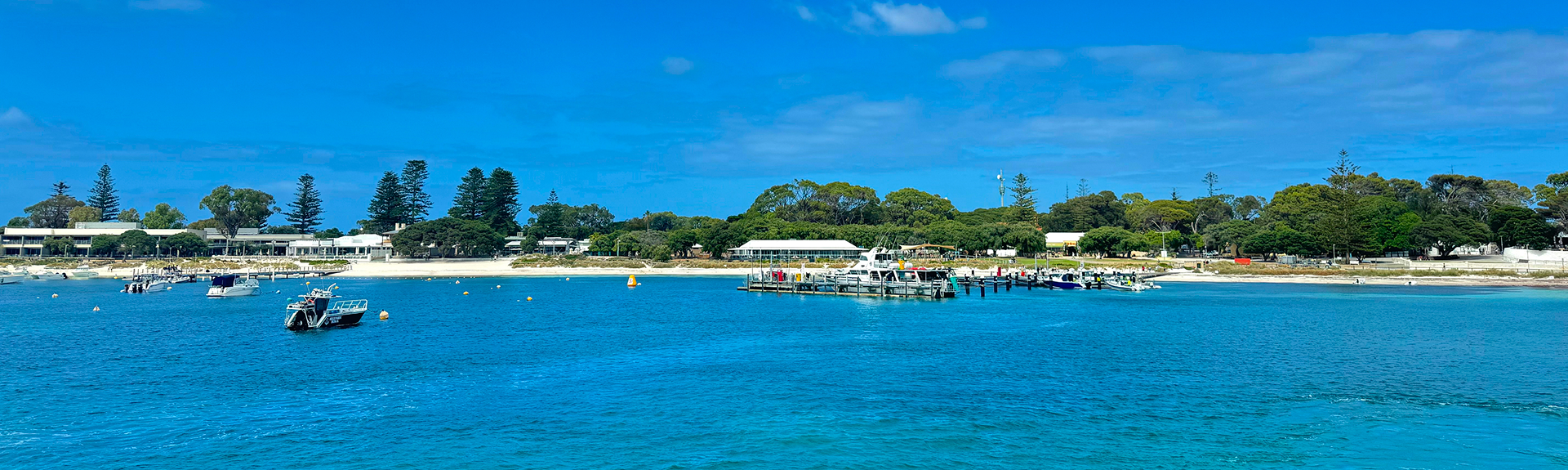
There are no bridges and no cars to bring, so the ferry is how nearly everyone arrives. Ferries run from Fremantle, central Perth, and Hillarys Boat Harbour.
- From Fremantle: the quickest crossing, roughly 25 to 30 minutes.
- From Perth: around 90 minutes each way, usually with some river commentary on the way.
- From Hillarys: a short crossing with free all-day parking, which is handy if you're driving. Arrive early in peak season to find a space.
If you only have a day, aim for the earliest departure. Check the timetable for the final return ferry, because it changes between peak and off-peak seasons.
To skip the planning, book a Rottnest Island same-day return ferry or browse all Rottnest Island ferries.
Rottnest Island admission fee
Everyone landing on the island pays an admission fee, which goes towards the upkeep of facilities and conservation. If you book a ferry ticket, it is usually included in the total price. From 1 July 2026 to 30 June 2027, single-day admission is $21.50 for adults and students, $11 for children aged 4 to 16 and $57 for a family group. Overnight stays are charged at a higher rate.
Getting around the island
Private cars aren't allowed, so you get around by bike, bus or on foot.
- Bike: around 22 kilometres of paths circle the island. You can hire one at the main wharf (Pedal and Flipper), or bring your own for a transfer fee. Many ferry packages include a bike.
- Hop-on hop-off bus: the Rottnest Island Explorer bus costs about $30 for adults and $22 for children at the time of writing. It suits anyone who doesn't want to pedal into the wind.
- Guided tours: bus, Segway, rickshaw, and walking tours cover the highlights with commentary.
- On foot: the main settlement is compact, and several beaches and the museum are within walking distance of the jetty.
The best time to visit Rottnest Island
There's no bad time to go, but each season offers something different (see the seasonal guide below). Summer (December to March) is peak beach weather and the busiest period, so book ferries, bike hire and restaurant tables well ahead. Spring and autumn bring fewer crowds and milder days.
Things to do on Rottnest Island: Wildlife and nature
1. Meet the quokkas (and take an ethical selfie)
Quokkas are the reason most people visit. These small, cat-sized marsupials are relatives of wallabies, and Rottnest is one of the few places on Earth where you can meet them in the wild. The Dutch explorer Willem de Vlamingh named the island in 1696 after mistaking them for giant rats, hence "Rottnest", or rat's nest.
You'll almost certainly spot quokkas around the main settlement, especially near the cafes, the lighthouse path and shady spots at dawn and dusk. For a great photo without harming them:
- Let them come to you. Crouch down, stay still and wait. Quokkas are curious.
- Never feed them. Human food makes them sick, and feeding is against the rules.
- Don't touch or pick them up. They're a protected species.
- Keep your distance from joeys and nesting areas.
- Hold your phone at arm's length and skip the flash.
The Rottnest Island Authority publishes a handy guide to taking a quokka selfie, and following it keeps both you and the animals safe.
2. Go whale watching on Rottnest Island
Whale season is one of the island's best-kept secrets. Humpback and southern right whales pass the island on their migration, with the main season running from August to December and early sightings possible in June and July. You can spot them from land, from the ferry and on the water.
Good vantage points include:
- Cape Vlamingh at the West End, a favourite lookout for whales and fur seals.
- Pinky Beach, close to the settlement.
- Little Armstrong Bay, a quieter option.
There are no dedicated whale-watching tours based on the island itself. However, boat tours such as Eco Express and scenic flights with Rottnest Air-Taxi regularly come across whales during the season, and several Perth and Hillarys operators run whale-watching cruises. Whales are active at all hours, so there's no single best time of day.
3. See the seals at the West End
The rugged West End is home to a colony of New Zealand fur seals, which you can often watch sunbathing on the rocks near Cathedral Rocks. Keep a respectful distance, use binoculars or a zoom lens, and never approach the animals.
4. Birdwatching and spring wildflowers
Rottnest is also home to a surprising variety of birdlife, including shorebirds and seabirds, and its salt lakes attract wading birds. In spring, the island's coastal heath comes alive with wildflowers, which makes the walking trails especially pretty from around September.
Things to do on Rottnest Island: Best beaches and water activities
5. Relax on Rottnest's best beaches
With more than 60 beaches and bays, picking a favourite is half the fun. A few standouts:
- Pinky Beach: close to the ferry jetty and the settlement, which makes it ideal for families and a good place to look for whales in season.
- The Basin: a sheltered, crystal-clear swimming and snorkelling spot with easy access.
- Parker Point: a pretty bay with clear water and a popular snorkel trail.
- Little Parakeet Bay: a favourite for snorkelling and photos.
- Little Salmon Bay: calm, sheltered and great for first-timers.
Most beaches have limited facilities, so bring water, sun protection and snacks, and plan to stop where the wind is blowing offshore.
6. Snorkel the Little Salmon Bay trail
Little Salmon Bay is one of the most popular spots for first-time snorkellers. It's calm and sheltered, and a marked trail follows the limestone reef so you can drift along and watch the fish. Snorkel hire on the island costs around $21 a day at the time of writing, and many ferry-and-bike packages bundle it in. Go on a calm day, and make sure you collect your gear before leaving the main settlement.
7. Dive or snorkel the shipwrecks
The waters around Rottnest hide 13 shipwrecks, and a handful are accessible to divers and snorkellers. Two can be reached from shore: the wreck of the Shark, near Henrietta Rocks, and the Uribes near Point Phillip, both found just metres below the surface.
8. Surf Strickland Bay
Strickland Bay is the island's best-known break and attracts experienced surfers when the swell is up. It's a high-performance wave for confident surfers only, so beginners should stick to mainland lessons. Because the island is surrounded by water, there is usually somewhere with the right wind direction.
9. Take a cruise, snorkel-and-sail or seafood cruise
For a different perspective, get out on the water. Options include:
- Snorkel and sail tours on small catamarans, which reach reefs and wrecks you can't get to from shore.
- Adventure boat tours that cruise the coastline and look for seals, dolphins and, in season, whales.
- Luxe seafood cruises: a four-hour, meals-included experience from around $399 per person, the pick for special occasions. Check out Luxe Rottnest Island Seafood Cruise at Backpacker Deals.
- Private charters: worth considering for groups, particularly to the West End.
The ocean around Rottnest can be choppy even on sunny days, so take motion-sickness tablets if you're prone to it.
10. Go fishing
Rottnest is a Class A Reserve and popular with recreational fishers. Rules, sanctuary zones and bag limits apply, so check the current regulations from the Rottnest Island Authority and Western Australian fisheries before you drop a line.
Top Things to do on Rottnest Island: adventure activities
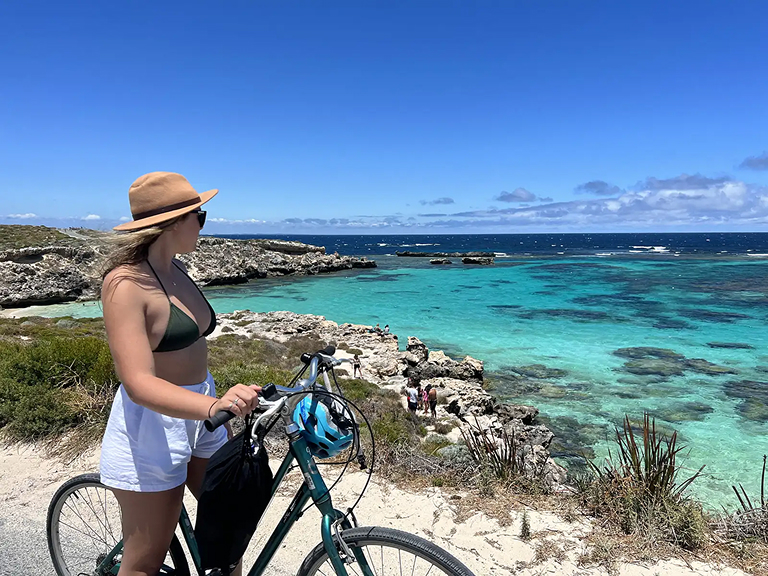
11. Cycle around Rottnest Island
Cycling is the classic Rottnest experience. Pedalling the whole island takes most people a few hours, with plenty of beach stops, and you can shorten the route if you're short on time. Tips:
- Book your bike early in December and January, when demand is high.
- Start early to beat the heat and the crowds.
- Bring water and sunscreen, because shade is limited.
- Expect headwinds on the exposed stretches and wind assistance on the way back.
- Not a confident rider? Take the bus or choose an e-bike where available.
For an easy option, check out the Rottnest Island bike day tour with lunch, which includes ferry transfers and a guide.
12. Walk the Wadjemup Bidi trails
The Wadjemup Bidi (bidi means "path" in the local language) is a network of walking trails that takes you to coastal headlands, lakes and cultural landmarks, with signs sharing the island's stories. You can walk a short section or commit to a longer hike. The trails are also a good way to look for birdlife and wildflowers.
13. Explore by Segway or electric rickshaw
If you want to cover ground with less effort, a guided Segway or electric rickshaw tour is a fun alternative. Segway tours typically focus on the settlement and historic fortifications, and some packages include ferry transfers. The Rottnest Island Settlement Explorer Segway package is open to ages 12 and up.
14. Skydive or take a scenic flight
For thrill seekers, a tandem skydive from 15,000 feet finishes with a landing on one of the island's beaches, and you get up to a minute of freefall on the way down. If you'd rather stay in the plane, scenic flights show off the island's turquoise bays, salt lakes and shipwrecks, and are a good way to look for whales in season. Browse Rottnest Island Tandem Skydive at Backpacker Deals.
15. Tee off at the Rottnest Island Golf Club
The island's golf course is a relaxed round with ocean views and, often, quokkas watching from the fairway. It's an easy way to spend a slower afternoon.
Things to do on Rottnest Island: history and culture
16. Learn the story of Wadjemup
Rottnest has a deep and complex history. For the Whadjuk Noongar people, Wadjemup is a place of great significance, often described as the place across the sea where spirits go. In more recent history, the island was used as a prison and detention site for Aboriginal men and boys, and it contains burial grounds. Visitors should approach this part of the island's story with respect.
The best way to understand it is to hear it from Aboriginal guides. The free Wadjemup Museum also covers the island's natural and cultural history across a series of exhibitions.
17. Climb the Wadjemup Lighthouse
Standing 38 metres tall, Wadjemup Lighthouse is the island's unofficial postcard. A guided tour (about $15 for adults and $7 for children, at the time of writing) takes you inside a working lighthouse and up to the top for 360-degree views. Look out for quokkas along the path leading up.
The Bathurst Lighthouse on the northern edge of the island was built to support it and is also worth a visit if you're cycling that way.
18. Explore Oliver Hill and the wartime tunnels
Oliver Hill is the heart of Rottnest's military history. The gun battery and tunnels date back to the Second World War, and you can join a guided tour that includes a ride on the heritage train. It's a fascinating hour or two, and it's popular with families and history fans.
19. Wander the Thomson Bay heritage precinct
Along the Thomson Bay foreshore you'll find Western Australia's oldest and best-preserved heritage precinct. Look for the Salt Store, Vlamingh's Lookout and the old Superintendent's Residence. Many buildings are private or holiday lets, but information boards explain what each building was used for. The Visitor Centre also runs free guided walks.
Things to do on Rottnest Island: Food, drink & downtime
20. Eat, drink and unwind
Rottnest has a good range of cafes and bars for an island of its size. Pinky's Beach Club is a favourite for a drink with a view, and the bakery, the Lane Cafe and the Dome Cafe are handy for breakfast or lunch. If it's a hot afternoon or rainy day, Rottnest Island Movies and Mini Golf offers a break from the sun. In peak season, book restaurant tables ahead.
What to do on Rottnest Island by season
- Summer (December to March): hot, dry and ideal for swimming, snorkelling and beach days. It's the busiest time, so book early and carry lots of water.
- Autumn (March to May): warm water, softer light and thinner crowds, which makes it a great time for cycling.
- Winter (June to August): the quietest season. It's too chilly for a full beach day, but it's a good time for walking, the museum and early whale sightings.
- Spring (September to November): wildflowers, peak whale watching and some of the year's lowest crowds. Expect some breezy days and occasional showers.
Best things to do on Rottnest Island by traveller type
- Families: quokka spotting, shallow swimming at The Basin or Pinky Beach, a bus tour, Oliver Hill's train and mini golf. Hire bike trailers or child-sized bikes if needed.
- Couples: a sunset at the West End, a seafood cruise, an overnight stay and a quiet cycle to a secluded bay.
- Budget travellers and backpackers: pick a ferry-and-bike package, bring your own snacks, enjoy the free beaches and museum, and look for whales from the shore.
- Adventure seekers: skydiving, surfing at Strickland Bay, wreck snorkelling and a long ride around the island.
- History lovers: Wadjemup Museum, a Go Cultural tour, the lighthouse, Oliver Hill and the Thomson Bay heritage precinct.
Free and low-cost things to do
- Swim and sunbathe at the beaches
- Visit the free Wadjemup Museum
- Join the Visitor Centre's free guided walks
- Spot whales and seals from the shore
- Walk a Wadjemup Bidi trail section
- Photograph quokkas (without feeding or touching them)
FAQs
What is there to do on Rottnest Island?
The most popular activities on Rottnest Island are meeting the quokkas, cycling the island, snorkelling, swimming at the beaches, visiting the Wadjemup Lighthouse and Oliver Hill tunnels, and whale watching in season. You can also take a guided cultural, bus or Segway tour, go on a cruise or skydive.
Is one day enough for Rottnest Island?
One day is enough to cycle part of the island, snorkel and see the main sights, which is why it's so popular as a day trip from Perth. If you want to explore the West End, join several tours or simply relax and stay overnight.
How much does a day trip to Rottnest Island cost?
Most visitors spend around $95 to $135 for a return ferry, including the admission fee, depending on whether they leave from Fremantle or Perth. Bike and snorkel hire adds roughly $20 to $50, and ferry-and-bike packages start from about $126.
Can you drive on Rottnest Island?
No. Private cars aren't allowed, so you'll get around by bike, bus or on foot.
Can you touch or feed a quokka?
No. Quokkas are protected wildlife, and touching or feeding them is not allowed. Let them approach you and take your photo from a respectful distance.
When is whale watching season at Rottnest Island?
The main season runs from August to December, with some early sightings in June and July. Cape Vlamingh, Pinky Beach and Little Armstrong Bay are popular lookouts.
Is Rottnest Island worth visiting in winter?
Yes, if you're not after a beach day. Winter is quiet, with early whale sightings, museum visits and walking trails, though it's cooler and wetter.
Is Rottnest Island good for kids?
Absolutely. The calm bays, quokkas, bus and train tours, and short bike rides suit most ages. Choose sheltered beaches like Pinky Beach or The Basin for little swimmers.