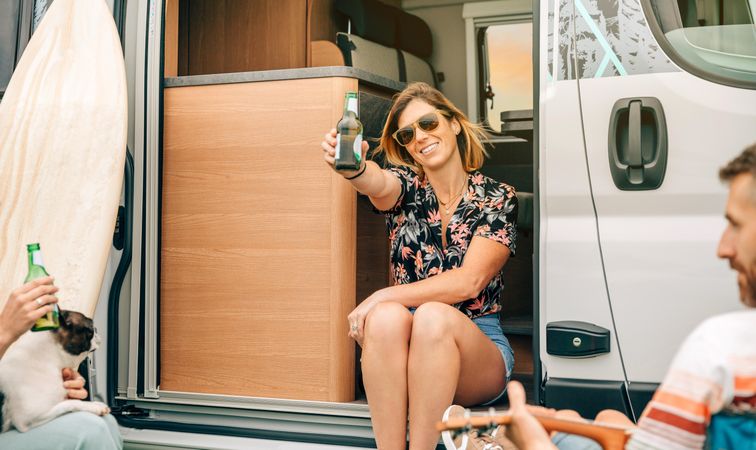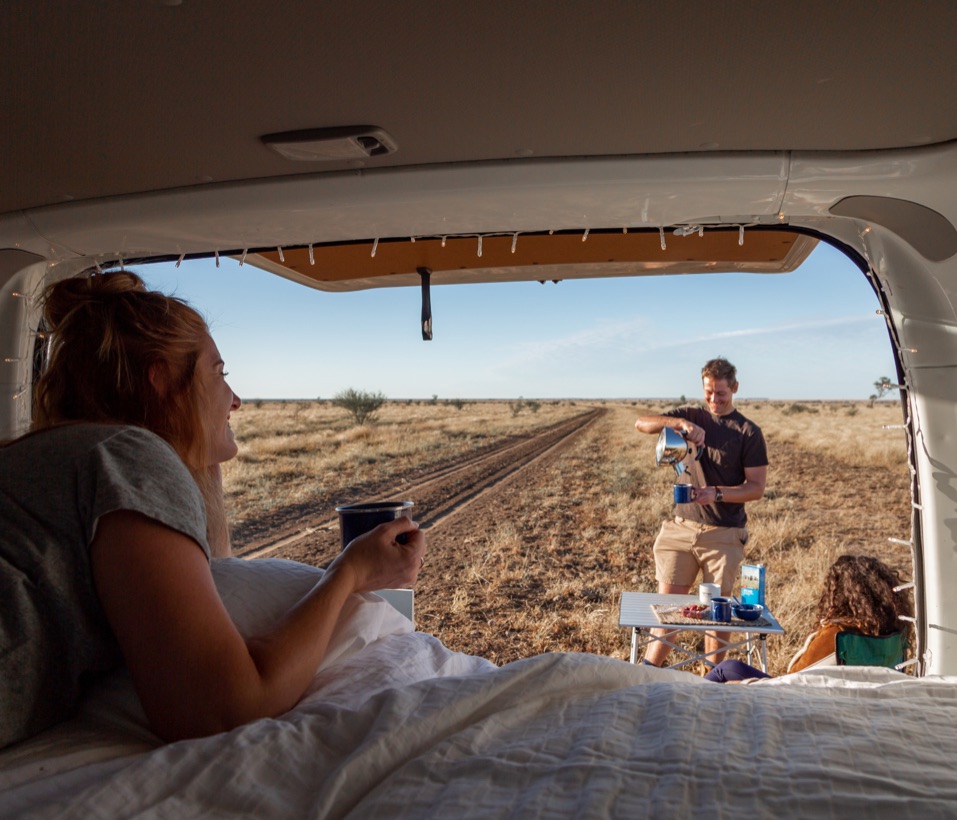



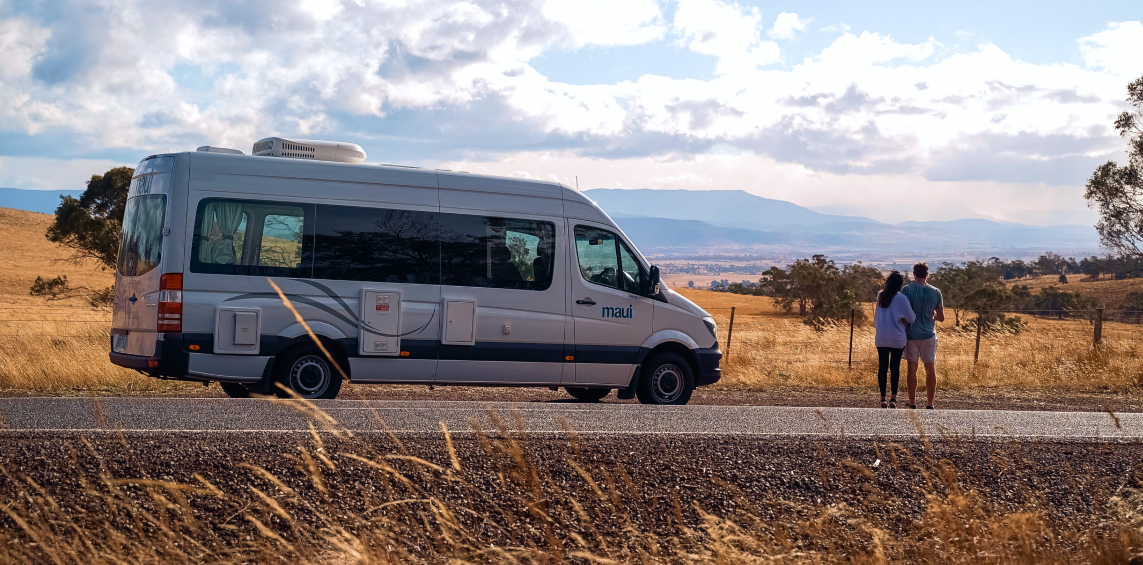
Australia in winter might not be the first trip people think about, but it’s actually one of the best times to hit the road. From June to August, you'll find cooler weather, fewer crowds, and plenty of amazing places to explore. Some parts of the country stay warm and sunny, while others have fresh mountain air and beautiful winter scenery, so there's something for every kind of road trip.
A campervan makes the journey even more enjoyable. You can travel at your own pace, stop whenever a place catches your eye, and spend more time enjoying the views instead of following a fixed schedule. Whether you are driving along the coast, exploring the Outback, or visiting national parks, winter road trips in Australia by campervan are one of the most fun and memorable ways to see the country.
Why Winter is a Great Time for a Campervan Trip in Australia
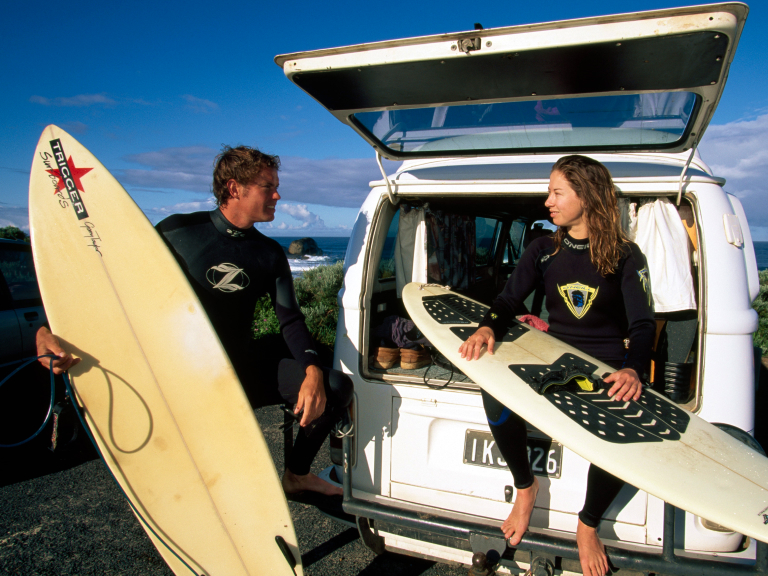
Coastal NSW, Victoria, and Queensland sit between 15°C and 25°C during the day in winter, ideal for driving, hiking, and sitting outside without sweating through your shirt. Popular campsites that are packed in December are far more accessible in June and July. Campervan hire rates drop during the off-peak season, offering better prices and greater vehicle availability.
Winter is also whale watching season along the entire East Coast. Wildflowers bloom across Western Australia and South Australia. The outback, brutally hot in summer, becomes perfectly accessible. And there is something deeply satisfying about pulling into a campsite as the sun sets, getting the stove going, and wrapping up warm for a night under a spectacular winter sky.
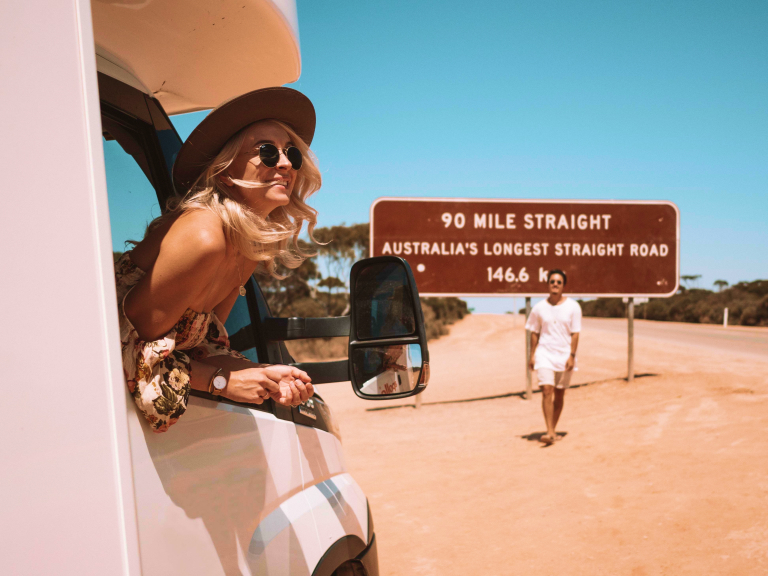
Things to Know Before You Hit the Road
Weather by Region
Coastal NSW and Queensland are mild and sunny in winter, with days typically reaching 15–25°C and cool but manageable nights. Victoria and the Great Ocean Road are cooler at 10–18°C with occasional rain and dramatic sea conditions. Pack layers and a waterproof jacket.
The Snowy Mountains bring genuine winter snow, ice on roads above 1,500 metres, and sub-zero overnight temperatures. Snow chains are required on alpine roads and most standard campervans are not permitted above the snowline. Self-contained 4WD campervans with snow chains are an exception, check your hire company's policy before booking.
The Red Centre in the Northern Territory is at its best in winter. Days are warm and dry, around 20°C, but nights drop sharply to 3–5°C, so a good sleeping bag is essential.
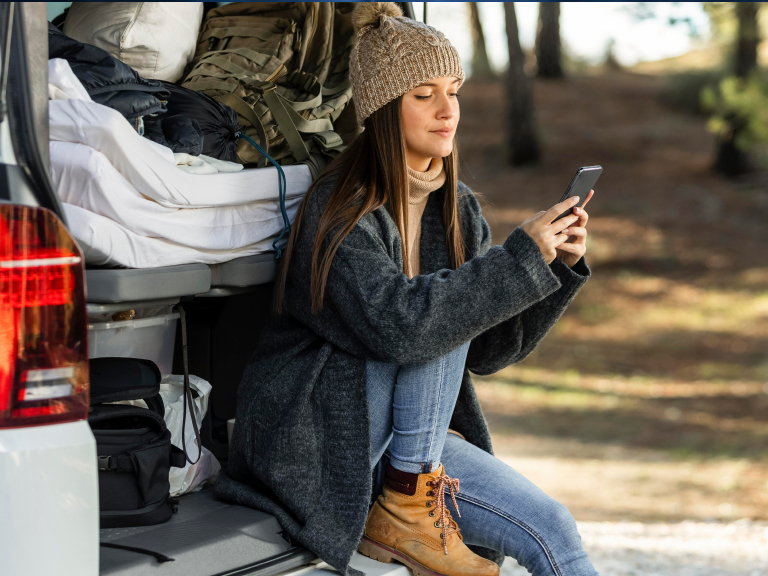
Mobile/Data Coverage Warning
Coverage varies significantly across Australia and is a genuine safety consideration on remote routes. Telstra has by far the best coverage in rural and outback areas. If you are travelling the Red Centre, the Great Ocean Road hinterland, or any route away from major highways, a Telstra SIM is strongly recommended. Optus and Vodafone coverage drops off sharply outside cities and coastal towns.
On the Alice Springs to Uluru route specifically, mobile coverage is extremely limited and patchy for long stretches. Do not rely on Google Maps or any data-dependent app for navigation on this route. Download offline maps before you leave Alice Springs, carry a paper atlas as backup, and hire a personal locator beacon from an outdoor store in town before you depart.
Book Uluru Camping Tour From Alice Springs
Road Safety
Check road conditions before each drive, especially after rain or if you're heading into remote areas. Drive carefully at dawn and dusk, as kangaroos and other wildlife are more active. If possible, avoid driving at night in rural areas, and never take unsealed roads after heavy rain without checking they're safe.
Campfire Rules
Winter is actually one of the better times for campfires in southern Australia. In Victoria, South Australia, and NSW, total fire bans are far less frequent in winter than in summer, and campfires are permitted at many national park and free camping sites during these months, provided you use a designated fire pit or fireplace. Always check current fire regulations with the relevant state authority Parks Victoria, NSW National Parks, or SA National Parks before lighting any fire, as local rules vary by site and conditions.
Booking Campsites
Winter is quieter than summer, but popular spots still fill up, especially on weekends and school holidays. Book ahead for national park campsites, coastal powered sites, and holiday parks near ski areas. For free camping, WikiCamps and Campermate are invaluable for finding council rest areas and free campsites across Australia.
Best Campervan Routes for Winter in Australia
Route 1 - Pacific Coast Highway: Sydney to Byron Bay
Distance: approximately 900 km
Duration: 7–10 days
Best for: beaches, whale watching, coastal culture
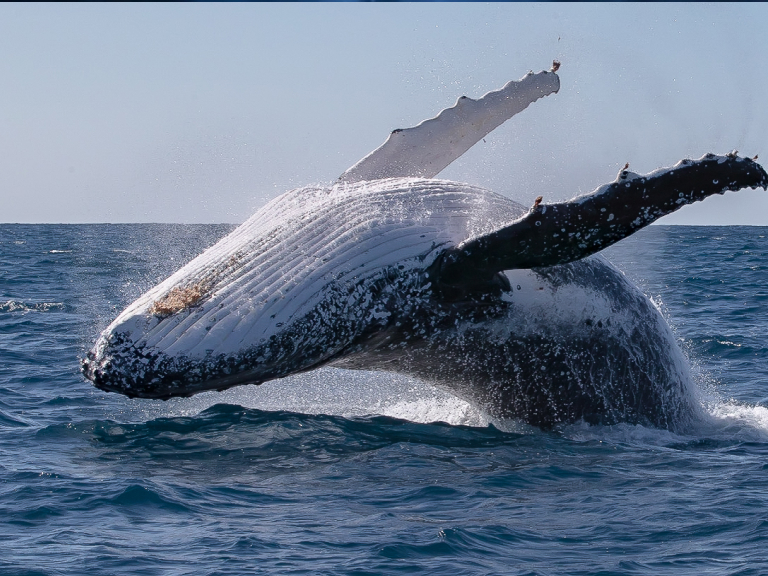
The Pacific Coast Highway between Sydney and Byron Bay is one of Australia's classic road trips and winter makes it even better. June to August is peak whale watching season - humpback whales migrate north in June and July and return south in August and September. Nearly every coastal town offers whale watching cruises and the beaches are far less crowded than in summer.
Key stops along the way include Port Stephens, home to over 90 bottlenose dolphins and one of the largest moving coastal sand dunes in the Southern Hemisphere. Port Macquarie has great beaches and the Koala Hospital, one of the best places in Australia to see koalas up close. Coffs Harbour is the gateway to Dorrigo Rainforest National Park. Byron Bay at the end of the route has Cape Byron Lighthouse, excellent cafes, and beautiful beachfronts.

Route 2 - Snowy Mountains Loop: Sydney to Kosciuszko and Back
Distance: approximately 750 km loop
Duration: 5–7 days
Best for: snow, alpine scenery, skiing
If you want to experience Australia's snow season, this is one of the best routes to take. From June to September, Thredbo and Perisher offer great skiing, snowboarding, and beautiful alpine views. Even if you're not planning to hit the slopes, you can enjoy the fresh mountain air, scenic drives, and the relaxed atmosphere around Lake Jindabyne.
On the way south, Kangaroo Valley is worth a stop, a beautifully preserved river valley with a historic suspension bridge, excellent kayaking, and kangaroos grazing at dusk. Fitzroy Falls in Morton National Park drops 81 metres into a forested valley and is one of the best waterfall walks in NSW. Canberra makes a great overnight stop with world-class museums and surprisingly good restaurants.
Base yourself at Lake Jindabyne for the ski resorts, most campervans are not permitted above the snowline, though self-contained 4WD vans with chains are sometimes an exception.
Route 3 - Red Centre and Outback: Alice Springs to Uluru
Distance: approximately 650 km loop
Duration: 5–8 days
Best for: outback, Aboriginal culture, stargazing
Winter is the only comfortable time to visit the Red Centre. Daytime temperatures sit around 20°C, the flies are far less prolific than in summer, and the skies are crystal clear for stargazing at night. Nights drop to 3 - 5°C but can drop below freezing, especially in July. So bring a sleeping bag rated to at least -5°C
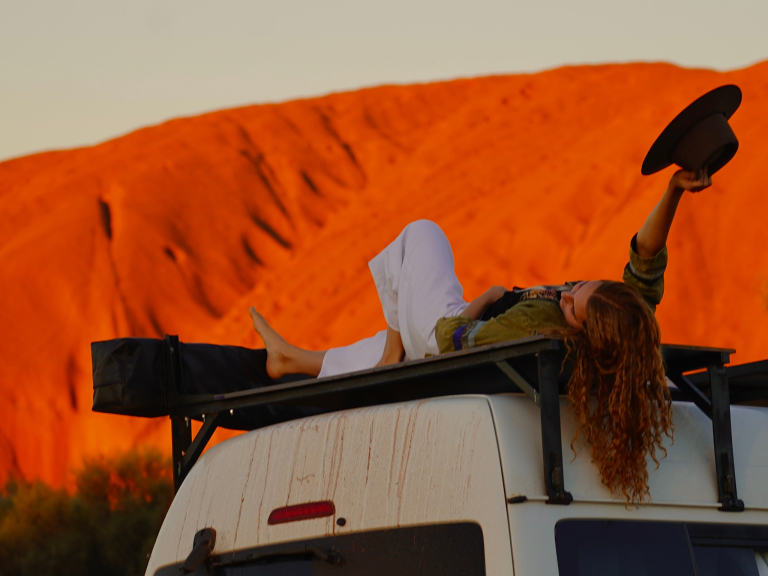
Start in Alice Springs and visit the Aboriginal art galleries and the Alice Springs Desert Park. Standley Chasm glows red and orange at midday. The 6 km Kings Canyon Rim Walk is worth it for the amazing views from the top. Many visitors find Kata Tjuta - the domed rock formations nearby even more powerful than Uluru itself. And Uluru at sunrise and sunset is as extraordinary as the photographs suggest.
Route 4 - The Great Ocean Road: Melbourne to Port Fairy
Distance: approximately 400 km
Duration: 5–7 days
Best for: dramatic coastline, whale watching, no crowds
The Great Ocean Road in winter is spectacular and almost entirely yours. The Southern Ocean is at its most dramatic - stormy swells, crashing waves, and ever-changing skies. The Twelve Apostles at sunrise in winter with mist rolling in from the ocean is one of those travel moments that stays with you.
Torquay and Bells Beach are the spiritual home of Australian surfing. Apollo Bay is a beautiful fishing town and a great base for exploring the Otway Ranges. Cape Otway Lighthouse is the oldest surviving lighthouse on mainland Australia. And Warrnambool at the end of the route has Logan's Beach, one of the best land-based whale watching platforms in Australia, where southern right whales calve in the bay from June to September.
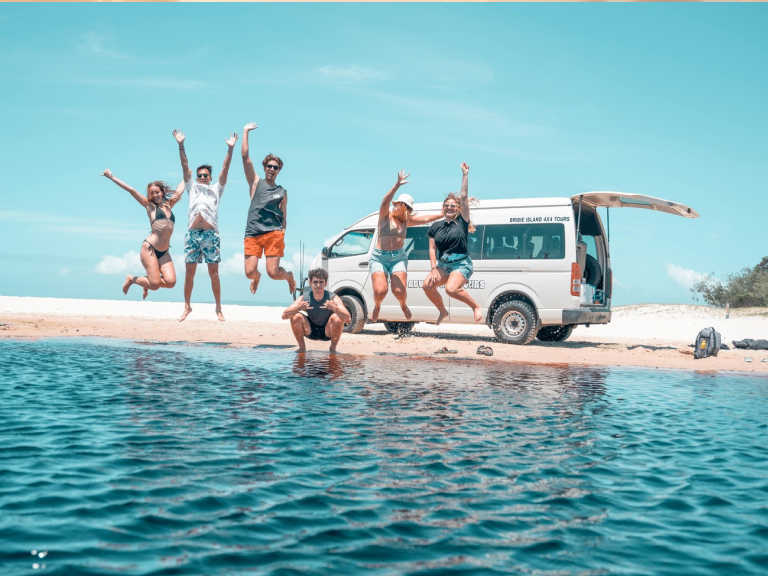
Route 5 - Queensland Hinterland: Brisbane to the Sunshine Coast
Distance: approximately 350 km loop
Duration: 4–6 days
Best for: warm winters, markets, rainforest walks
Queensland's winter is simply the most pleasant weather the state offers, warm enough for the beach but cool enough for comfortable hiking. This is also the most accessible route for families and less experienced campervan travellers. Roads are easy, campsite infrastructure is excellent, and distances are manageable.
- The Glass House Mountains rise dramatically from flat farmland and offer great short walks
- Noosa is one of Queensland's most beautiful coastal towns with a national park right at the beach
- The Eumundi Markets run every Wednesday and Saturday morning and rank among the best artisan markets in Australia
- Montville and Maleny in the hinterland are known for galleries, stunning views, and excellent cafes .
Campervan Hire Tips for Winter Travel
Book four to six weeks ahead. The Snowy Mountains and Great Ocean Road routes book out quickly in July during school holidays.
Choose a self-contained van for remote routes. Self-contained campervans open up free camps and remote sites that non-self-contained vans cannot access and is worth the extra $30 to $50 per day.
Check the one-way hire option. Many companies allow one-way trips with a small relocation fee, unlocking better routes without backtracking.
Always read the insurance excess carefully. Standard excess can be $3,000 to $7,500 AUD. Purchasing excess reduction cover is strongly recommended, especially on gravel roads and in alpine areas.
How Much Does It Cost to Hire a Campervan in Australia?
Campervan hire rates in Australia range from around $50 to $500 AUD per day depending on the size, age, and specification of the vehicle. Winter is off-peak for most states, so you will generally find better availability and lower daily rates than in summer.
Budget 2-berth (basic, older model) - $50 to $110 AUD per day No-frills but functional. Good for cost-conscious travellers comfortable with simple living.
Mid-range 2 to 3-berth (modern, self-contained) - $110 to $220 AUD per day The most popular choice. Reliable, well-equipped, and suitable for all five routes in this guide.
Premium campervan or small motorhome - $220 to $350 AUD per day Better insulation, heating, and comfort - worth considering for alpine and outback routes in winter.
Large motorhome (4 to 6-berth, full facilities) - $350 to $500 AUD per day Ideal for families or groups. At this price, splitting costs between four people makes it excellent value.
Factor in excess reduction cover ($25 to $50 AUD per day), campsites ($15 to $55 AUD per night), and fuel when budgeting. Winter hire rates are typically 20 to 35 percent lower than peak summer prices - one of the best reasons to travel in June, July, or August.
Food and Activities
- Self-catering - $25 to $40 per person per day
- Mix of self-catering and eating out - $50 to $80 per person per day
- Eating out most meals - $80 to $130 per person per day
- Whale watching cruise - $50 to $110 per person
- Ski day pass Thredbo or Perisher - $120 to $180 per person
- Guided tours and activities - $60 to $200 per person
What to Pack
Sleeping and Warmth
- Sleeping bag rated to at least -5°C for alpine and outback routes
- Thermal underlayers - merino wool is excellent
- Extra blanket for cold nights in the van
Clothing
- Lightweight packable puffer jacket
- Waterproof outer jacket and essential for the Great Ocean Road
- Two or three warm mid-layer fleeces
- Warm hat and gloves for alpine routes
- Comfortable walking shoes
Navigation and Safety
- Offline maps downloaded before you leave - Google Maps offline or Maps.me
- WikiCamps or Campermate app for finding campsites
- Paper road atlas as backup for remote areas with no signal
- First aid kit
- Personal locator beacon for outback routes - hire or purchase at outdoor stores
Sun Protection
Australian UV levels are strong year-round even in winter. Pack SPF 50+ sunscreen, a wide-brimmed hat, and UV-protective sunglasses.
Hidden Stops Most Travellers Miss
Mimosa Rocks National Park, NSW - small coastal national park between Bermagui and Tathra with beachside campsites, clear water, and almost no crowds.
Robe, South Australia - a tiny limestone fishing village on the Limestone Coast with excellent fish and chips, sea walks, and a long surf beach. Perfectly placed on the Adelaide to Melbourne route.
Point Hicks, Victoria - the most easterly point of the Victorian coast. Historic lighthouse, remote beach camping, and almost no visitors. Requires 60km of unsealed road.
Ellenborough Falls, NSW - an 80-metre single-drop waterfall into a rainforest gorge. Free lookout at the top and an easy walking trail below.
Longreach, Queensland - for travellers wanting an outback experience without the full NT commitment. Big skies, the Australian Stockman's Hall of Fame, and warm winter days.
Responsible Campervan Travel
Leave no trace, carry all your trash with you, and build fires only in designated fire pits. Never let an open fire without checking the regulations for the national park.
Use dump stations properly. Grey water and black water must be disposed of at proper dump stations, never on the ground or in natural waterways. WikiCamps marks dump stations across Australia.
Respect First Nations cultural sites. Many areas, particularly in the outback, have significant Aboriginal cultural and spiritual significance. Follow all signage and stay on marked paths.
Keep wildlife wild. Never feed native animals, even when they approach your campsite. Human food is harmful and creates dangerous dependency.
Common Mistakes to Avoid
Underestimating distances. Australia is vast. 300km is a comfortable day in a campervan. 500km is exhausting. Plan conservatively.
Leaving fuel stops too late. Outback fuel stations can be 200 to 300km apart. Fill up whenever you can and carry a spare jerry can on remote routes.
Not booking national park campsites online. The best sites fill weeks ahead. Walking up on the day is rarely possible at popular spots.
Driving at night in rural areas. Kangaroos and other wildlife are extremely active after dark and cause many serious accidents. Avoid driving after dark where possible.
Ignoring the weather forecast. Australian weather changes quickly, particularly in alpine areas and along the southern coast. Check the Bureau of Meteorology every morning.
Final Thoughts
A winter road trip in Australia by campervan is one of the most rewarding travel experiences the country has to offer. The pace is yours, the scenery is extraordinary, and the freedom of waking up somewhere new every morning never gets old.
Whether you spend a week chasing whales up the NSW coast, skiing in the Snowy Mountains, watching the sun set over Uluru, or driving the moody winter coastline of the Great Ocean Road, you will finish the trip understanding why Australians love travelling their own country this way.
The roads are long, the skies are wide, and winter road trips in Australia are far better than most people expect.
Ready to start planning? Browse available campervans for your dates, check which routes suit your experience level, and lock in your hire vehicle before the school holiday rush. The best vans for winter routes book out fast and the best mornings on the road are the ones you planned for.