


Australia is much bigger than most first-timers expect, and its weather varies widely from coast to coast. That's why there's no single best month for everyone. The short answer to what is the best time to visit Australia: September to November and March to May suit most first-time travellers, with mild weather, fewer crowds and better prices than summer. This guide shows you when to go by season, destination and activity, so you can match your trip to what you most want to see.

Quick Answer: When Should You Visit Australia?
| If you want... | Best months | Where to focus |
| The best all-rounder | September to November, March to May | Most of the country |
| Beaches and festivals | December to February | Southern coasts, Sydney, Gold Coast |
| The reef and tropical north | May to October | Cairns, Port Douglas, Whitsundays |
| Uluru and the Red Centre | April to October | Northern Territory |
| Whale watching | May to November | East coast |
| The cheapest trip | June to August (outside school holidays) | Anywhere |
| The busiest, priciest time | Mid-December to January | Everywhere |
Understanding Australia's Seasons
Australia is in the Southern Hemisphere, so the seasons are the opposite of Europe and North America: summer runs December to February, autumn March to May, winter June to August and spring September to November.
There are really two climates. The south has four distinct seasons. The tropical north has a wet season (roughly November to April) and a dry season (roughly May to October), and the Red Centre is hot in summer with cool desert nights in winter. Picking a time that suits your route matters more than picking a season.
Best Time to Visit Australia by Season

Spring (September to November)
Spring is the all-round pick. Days are mild and sunny, wildflowers bloom in Western Australia, jacarandas colour Sydney and Brisbane, and whales are still passing along the coast. Expect a busy patch during the September and October school holidays. Our Australia in spring guide covers it in detail.
Autumn (March to May)
Autumn offers comfortable temperatures, warm seas and fewer crowds than summer. Sydney and Melbourne are at their most pleasant, and the tropical north begins drying out in May. It's one of the best-value times for a first trip.
Summer (December to February)
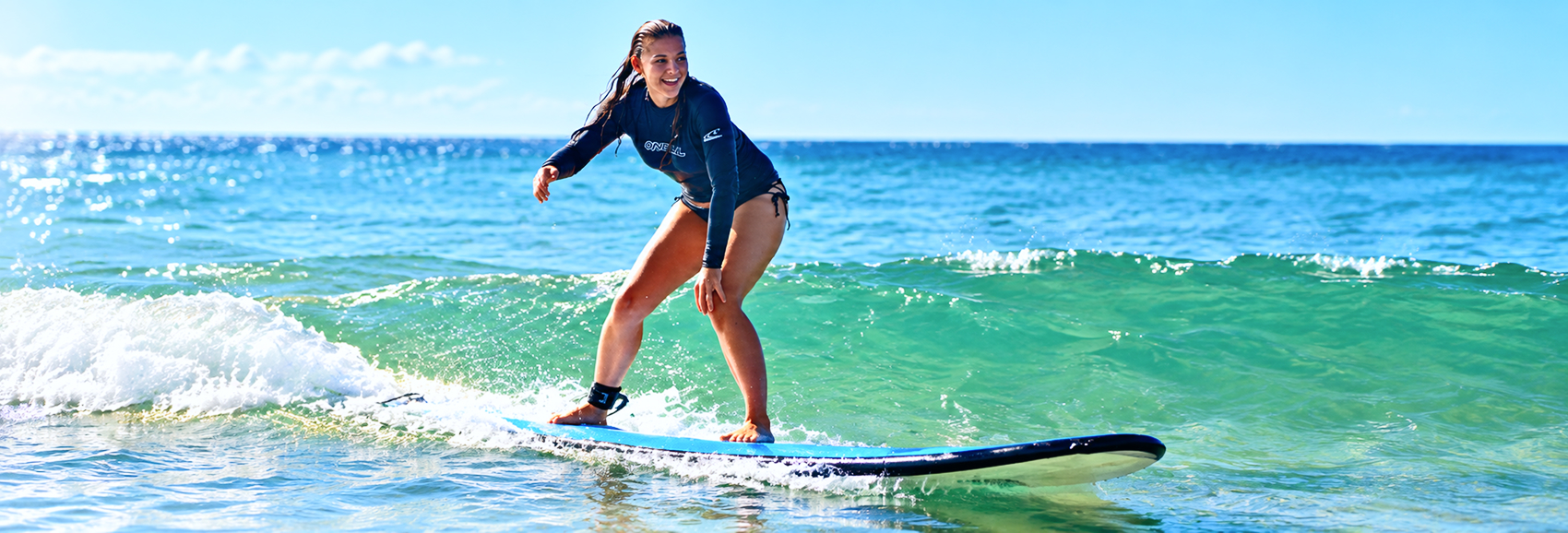
Summer is made for beaches, festivals and Christmas and New Year events, but it's also the busiest and most expensive season. Inland areas get very hot, and the tropical north is hot, humid and wet. Sydney in December is spectacular especially for adventure lovers as there is plenty to do around. From sunny beaches to NYE celebration at the Opera House. See our summer in Australia guide for where to go.
Winter (June to August)
Winter is the best time for Cairns, the Great Barrier Reef, Darwin and Uluru, where the weather is dry and comfortable. It's cooler in the south, but also cheaper and quieter, and it's ski season in the Alps and Tasmania. Even Perth stays mild, as our Perth in winter guide explains.
Best Time to Visit Australia by Destination
If you are planning to visit a particular destination in Australia, here’s a nifty guide to help you with the best time to visit the popular cities of the country.
| Destination | Best time | Why |
| Sydney | Sep to Nov, Mar to May | Mild weather and smaller crowds; December and New Year are busy |
| Melbourne | Mar to May | Comfortable autumn days; spring is also good |
| Cairns and the Great Barrier Reef | May to Oct | Dry season, lower humidity, clearer water |
| Whitsundays | Jun to Nov | Sunny and dry, with September a standout |
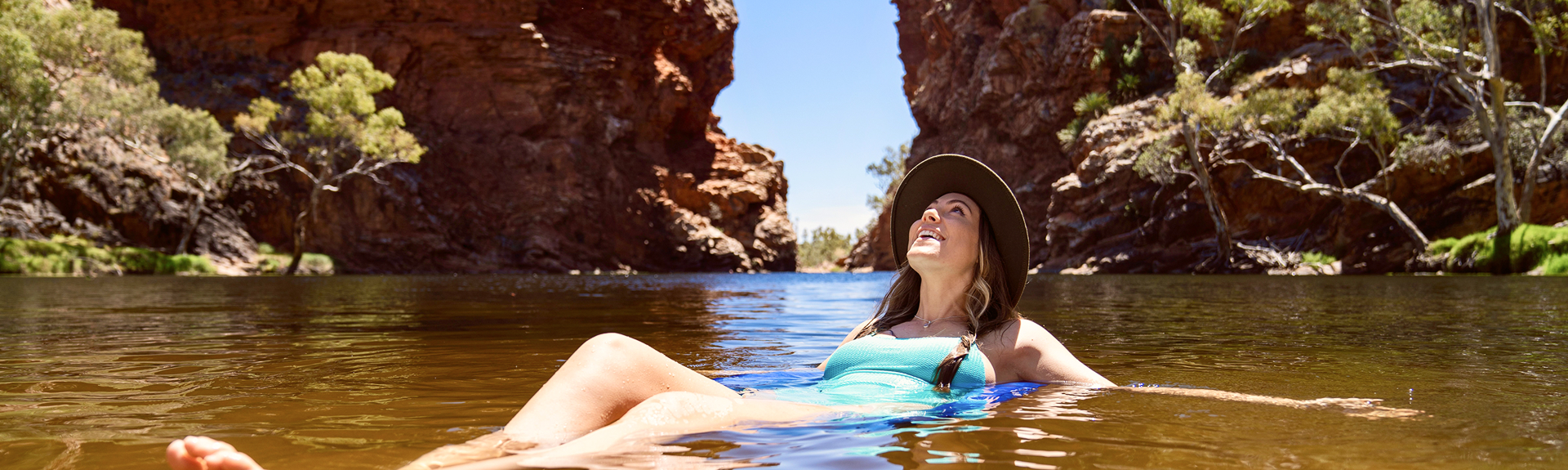
| Uluru | Apr to Oct | Manageable temperatures; summer can top 40°C |
| K'gari (Fraser Island) | Winter to spring | Milder weather, whales nearby |
| Gold Coast | Mar to May, Dec to Feb | Warm beach weather, autumn is a sweet spot |
| Perth | Sep to Nov | Spring wildflowers and mild days |
| Tasmania | Dec to Feb | Warmest weather; spring suits wildflower walks |
| Darwin and Kakadu | May to Oct | Dry season; the wet season runs about Nov to Apr |
Best Time to Visit by Activity
- Snorkelling and diving the reef. Tours operate year-round. The drier months, roughly May to October, tend to give clearer water. Our guide to choosing a Great Barrier Reef dive trip helps you pick, and you can compare Great Barrier Reef tours.
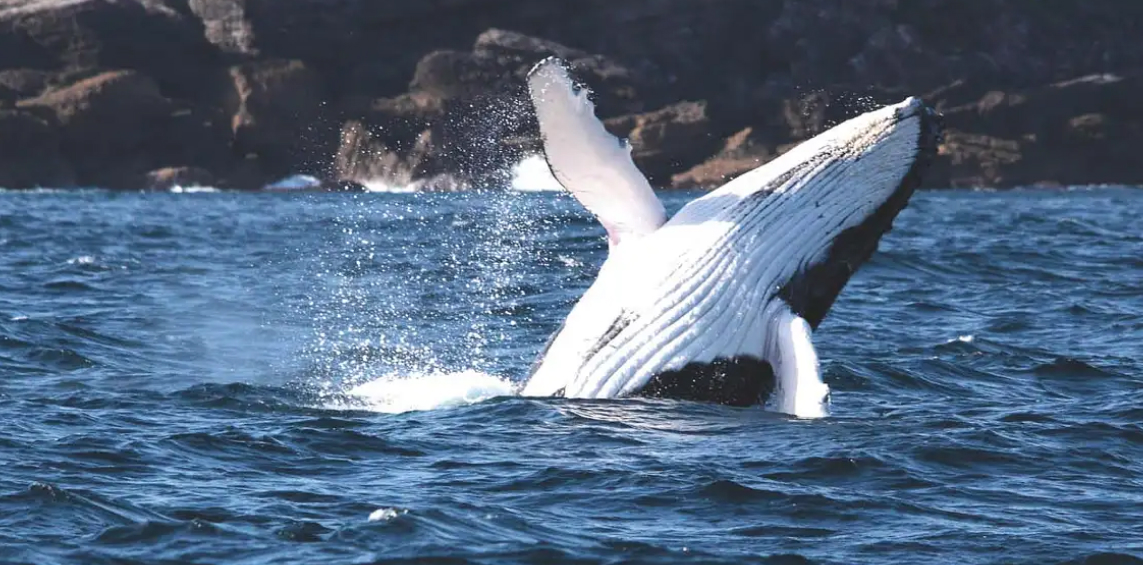
- Whale watching. Humpbacks pass the east coast roughly from May to November, with NSW sightings common from August as they head south. Try a Shellharbour whale watching cruise, which runs from mid-May to mid-November.
- Adventure activities. Skydives and rafting run most of the year, subject to weather. See our Sydney skydiving guide and white water rafting in Australia.
- Festivals and events. Summer brings festivals and New Year's Eve. Spring has Canberra's Floriade and jacaranda season, and Melbourne Cup week is in early November. Check 2027 dates before you book.
Cheapest vs Busiest Times to Visit
The cheapest time to visit Australia is usually winter, June to August, outside school holidays. The busiest and priciest is mid-December to January, when Christmas, New Year and school holidays collide, and popular accommodation books out well in advance. Shoulder seasons (spring and autumn) give the best balance of weather and price.
Month-by-Month Cheat Sheet for Australia Tours and Activities
| Month | What’s Australia Like |
| January | Southern beaches and city festivals. Peak prices; the tropical north is wet. |
| February | Still summer. Busy, with crowds starting to ease. |
| March | Autumn begins: comfortable cities and warm seas. |
| April | Mild, golden days in Sydney and Melbourne; Uluru is comfortable. |
| May | The north dries out, whale season begins and prices ease. |
| June | Dry-season Cairns and Darwin; cool Red Centre; cheaper fares. |
| July | Peak dry season up north and ski season in the south. |
| August | Whales along the east coast; wildflowers start in Western Australia. |
| September | Spring arrives, with Floriade starting in Canberra. |
| October | Many travellers' favourite: mild weather, jacarandas and whales. |
| November | Melbourne Cup; the wet and stinger season begins in the north. |
| December | Summer starts, with Christmas and New Year at peak prices. |
Best Time to Visit for a First-Time East Coast Trip
A classic first trip runs from Sydney up through the Gold Coast, K'gari, the Whitsundays and Cairns over two to three weeks. Roughly May to October works best for the whole route: it's dry in the north and mild in the south, and spring (September and October) is the sweet spot. Try to avoid December and January, when prices peak and the tropical north is wet and humid.
What to Pack and Know by Season
Pack sunscreen, a hat and a refillable water bottle for any trip in Australia, since UV levels are strong year-round. Bring layers for southern spring, autumn and winter. In North Queensland, plan for stinger season from about November to May, when stinger suits are recommended for swimming.
FAQs
1. What is the best month to visit Australia for the first time?
September to November and March to May are the safest picks. October is a favourite, with mild weather, whales and blooming jacarandas.
2. What is the cheapest time to visit Australia?
Winter, from June to August, outside school holidays. Prices peak between mid-December and January.
3. When is the best time to visit the Great Barrier Reef?
Reef tours run year-round, but May to October typically has clearer water and drier weather.
4. When is the best time to visit Uluru?
April to October, when temperatures are manageable. Summer days can top 40°C.
5. What is the best time to visit Australia for whale watching?
Roughly May to November along the east coast, with sightings common from August in NSW and Queensland as whales head south.
6. When is stinger season in North Queensland?
The stinger season runs from about November to May. Reef tours still operate, with protective stinger suits provided.