


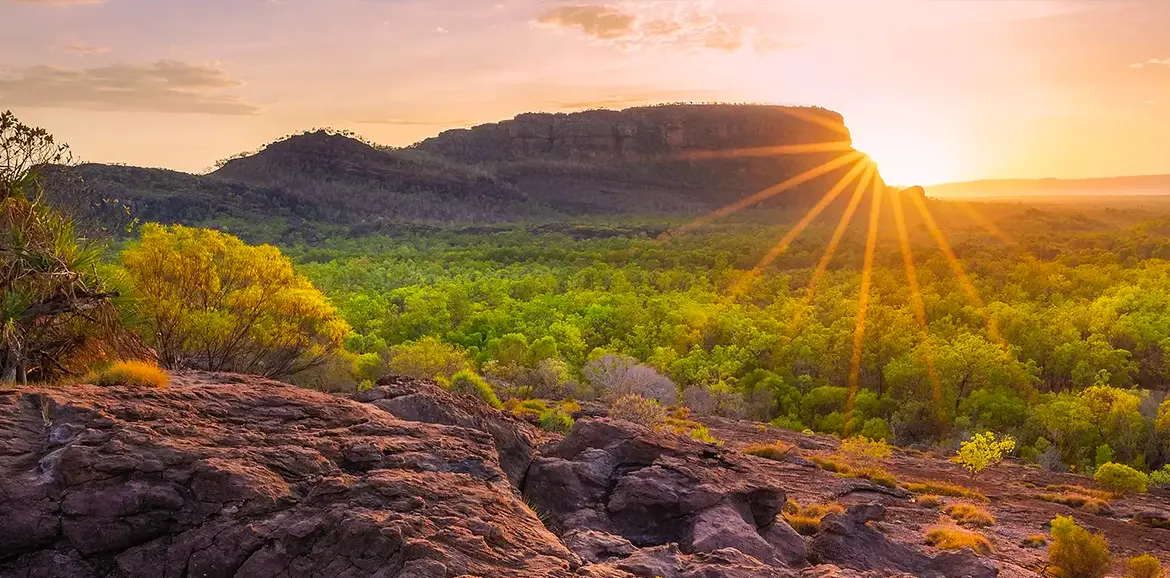
Located in the Northern Territory, Kakadu National Park is Australia’s largest and most diverse national park, which is known for its ancient Aboriginal culture, dramatic landscapes, wetlands, and waterfalls.
Kakadu covers approximately 20,000 square kilometers and offers the best experience of adventure and natural beauty. From teeming wetlands during the rainy season to easy to access waterfalls and walking trails during the dry season, that's what makes Kakadu different every time you visit. That's why it is an ideal destination for travellers who want to experience the raw and untouched side of Australia.
Jabiru Town (Base for Exploring Kakadu)
Jabiru is the town surrounded by Kakadu National Park, It has all the services you’re likely to need and is a perfect base for exploring the park.
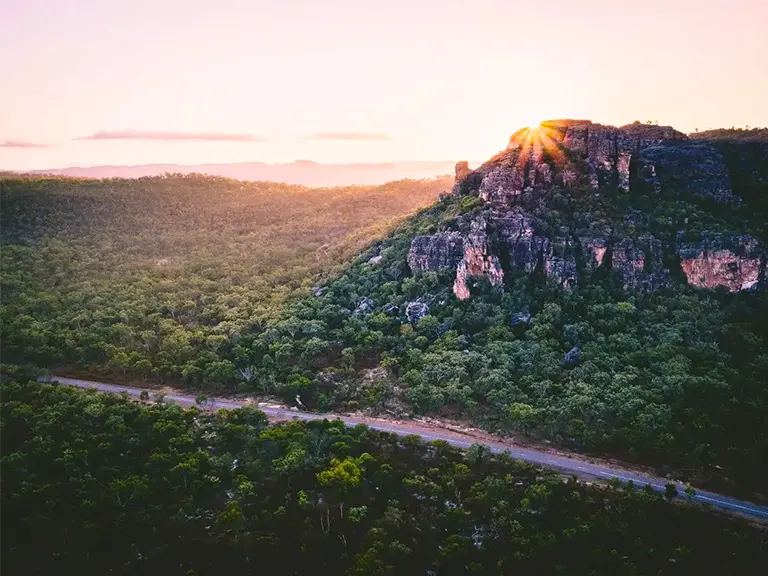
Aboriginal Culture & Ancient Rock Art
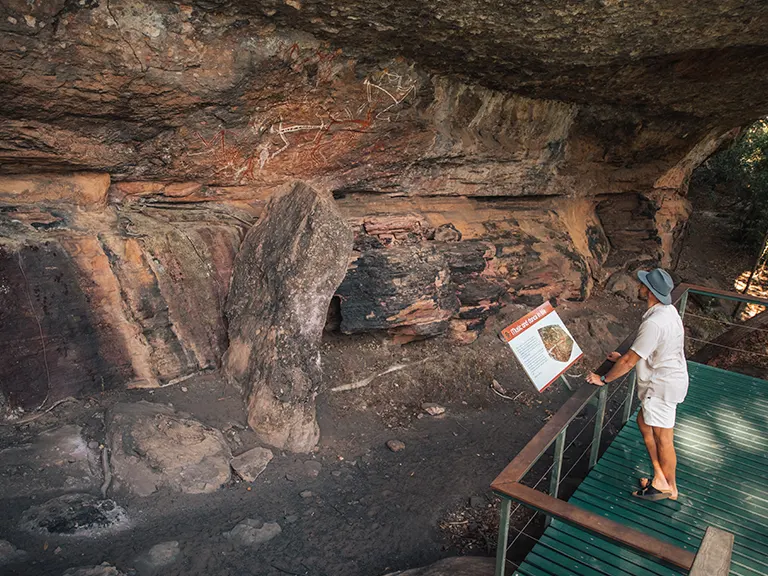
Kakadu is Aboriginal land and aboriginal people have cared for it for more than 65,000 years. It’s one of Australia’s most important cultural places, with hundreds of rock art sites across the park.
In places like Ubirr and Nourlangie (Burrungkuy), you can see ancient paintings of animals, hunting scenes and Dreaming stories. They’re not just pictures on rock. They carry stories about life, law and belief that have been passed down for thousands of years.
When you stand there and look at them, you start to feel the deep connection between the land and the people who have cared for it for generations.
Cultural Experiences & Visitor Insights in Kakadu
Cultural centres across Kakadu help visitors understand the park before heading out to explore. These centres provide background information, maps, displays, and stories that explain the significance of different areas.
Guided cultural walks and ranger-led experiences allow travellers to learn directly from knowledgeable guides. This is the best way to understand Kakadu, other than sightseeing, because these walks explain seasonal changes, traditional food sources, and the importance of land conservation.
Scenic Drives, 4WD Adventures & Sunset Lookouts (Ubirr)
Driving in Kakadu is a journey in itself because the drives take you across floodplains, bushland, and escarpments, offering endless photo opportunities.
If you have a 4WD, then remote trails will take you to some of Kakadu's most famous sites, such as waterfalls and gorges. These drives really add a sense of adventure, but you do need to be prepared and careful.
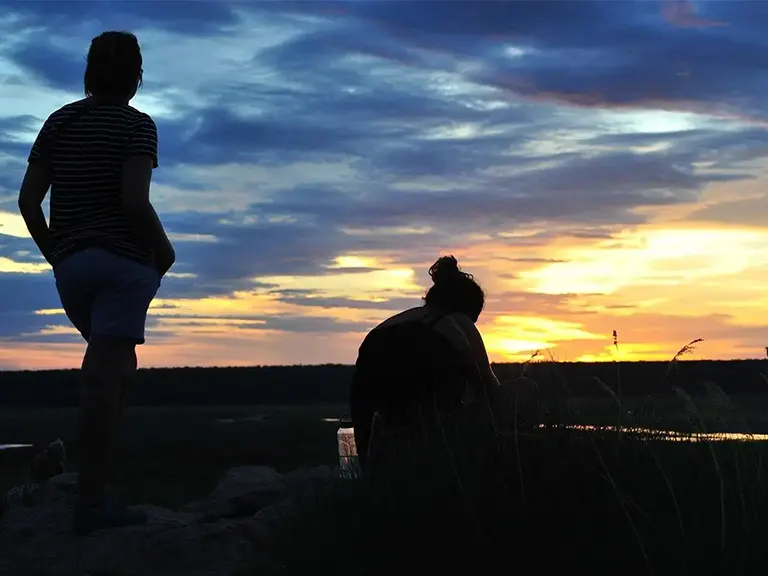
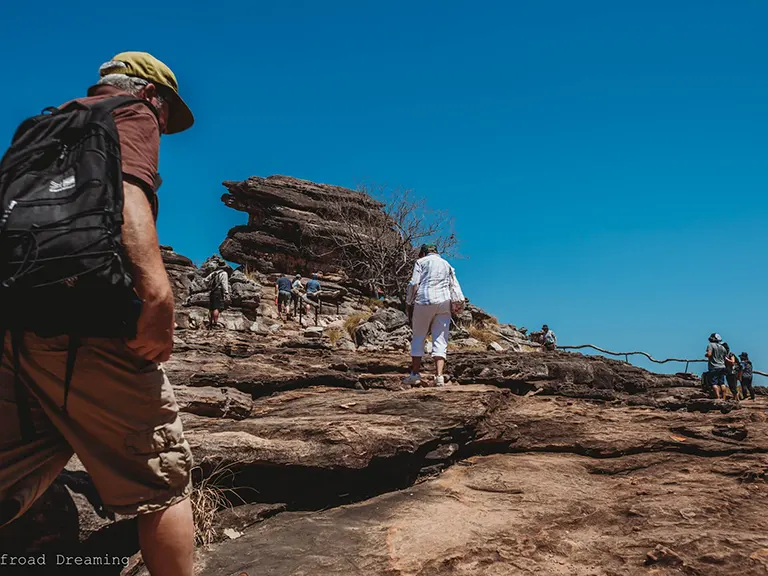
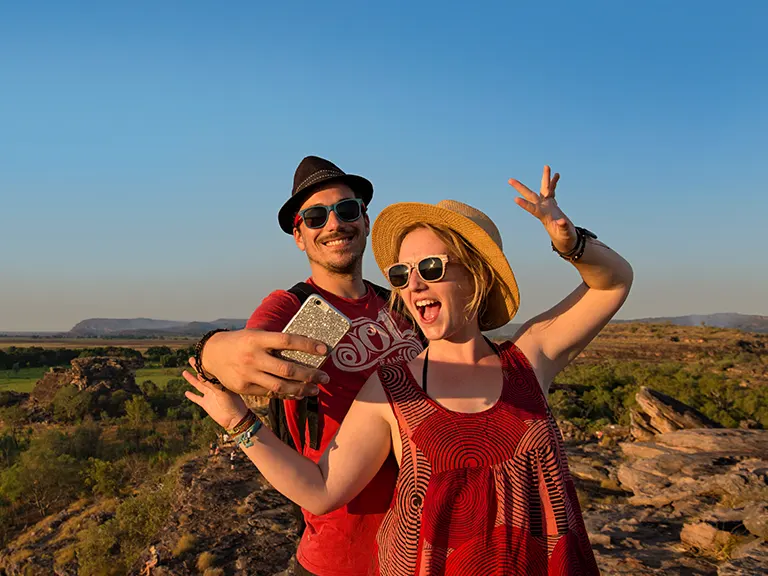
One of the real highlights along the way is Ubirr Lookout. A short walk takes you to a high viewpoint overlooking the wetlands and surrounding rock formations. As the sun goes down, the sky shifts through all these colours over the huge floodplains it’s honestly one of the best views you’ll see in Kakadu.
Yellow Water Billabong Cruise
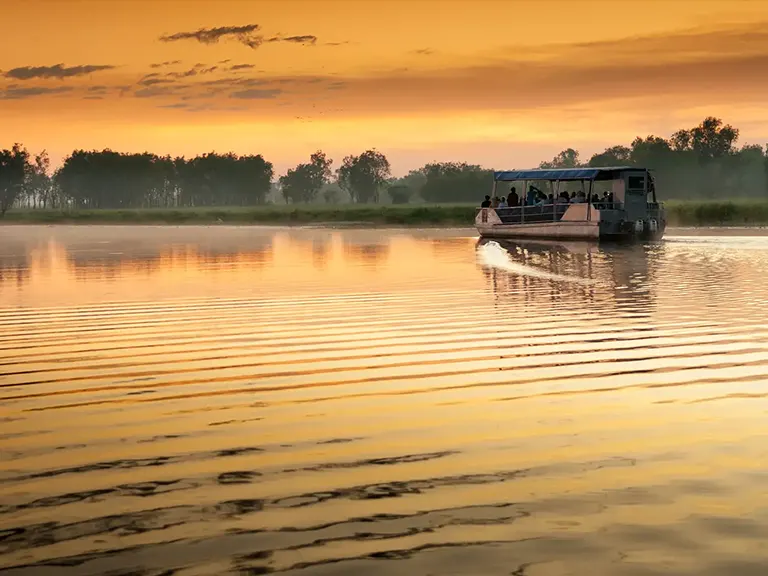
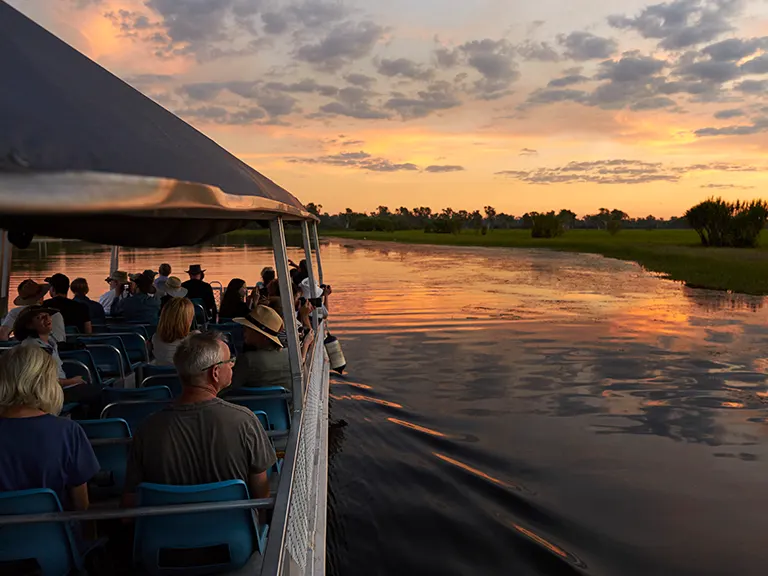
The Yellow Water Billabong Cruise is one of the best experiences in Kakadu. This guided boat tour takes you through calm wetlands rich in wildlife.
Crocodiles are often seen resting near the banks, while birds gather in large numbers throughout the year. Cruises offer cooler temperatures and the best chances to view wildlife in the early morning and late afternoon.
Wildlife Watching (Crocodiles, Birds & Buffalo)
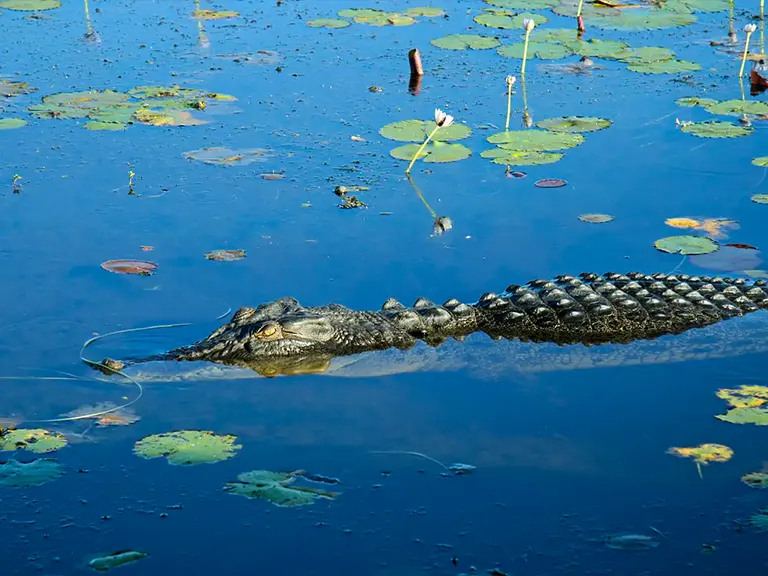
Kakadu is full of many unique animals, You’ll often see saltwater crocodiles hanging out in the rivers and billabongs, and wallabies and buffalo wandering around the land. “I once saw a tiny wallaby, but it disappeared before I could even blink!”
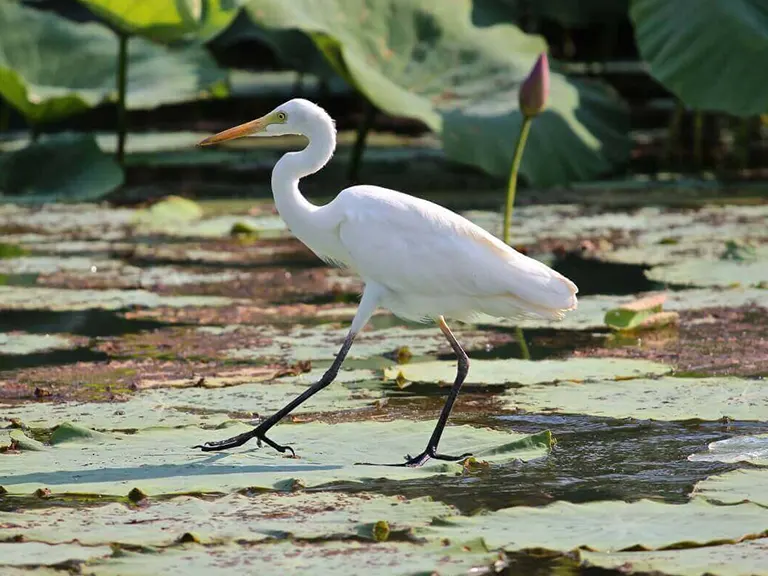
The park is famous for its birds. Hundreds of them live in the wetlands and floodplains, and there are even more when the seasons change.
Birdwatching & Wetlands (Mamukala & Anbangbang Billabong)
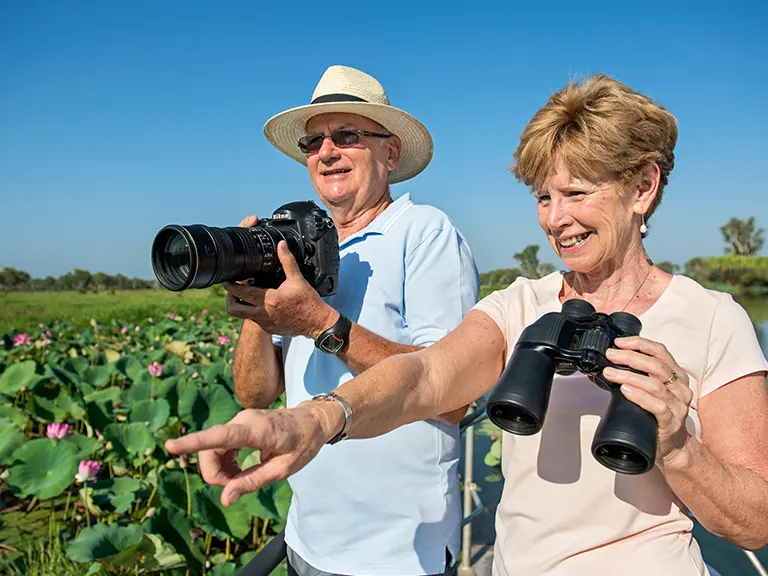
Birdwatching is a major highlight in Kakadu. Mamukala Wetlands offer viewing platforms where visitors can observe birds gathering in large numbers during the dry season.
Anbangbang Billabong, near Nourlangie, is another peaceful spot for spotting birds and wildlife. These wetlands show a quieter, more relaxed side of the park.
Bush Walking & Hiking Trails
Kakadu has walking trails for all fitness levels, with short walks that take you to rock art sites and lookouts, and longer ones that lead deep into the bush and up the slopes.
Walking lets you take your time and notice stuff you’d miss if you were just driving, like plants, birds and quiet spots with lovely views.
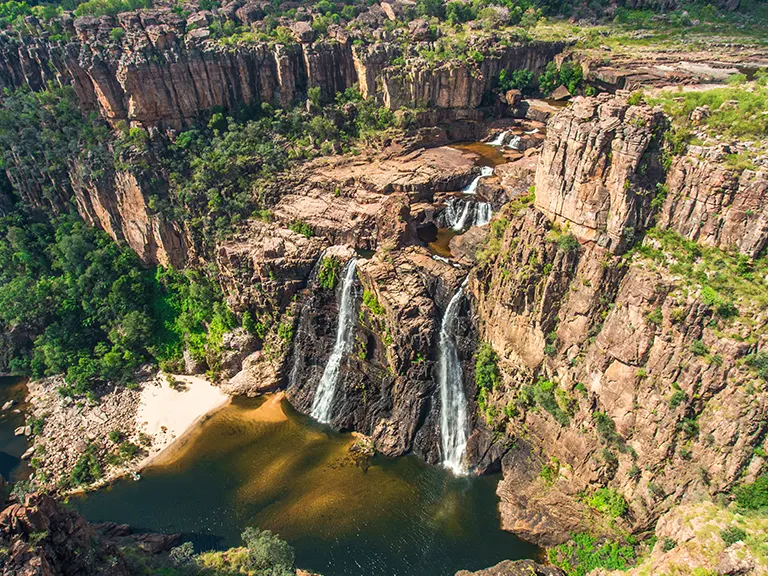
Waterfalls of Kakadu (Jim Jim Falls, Twin Falls, Gunlom Falls)
Kakadu’s waterfalls are among its most famous attractions, especially in the dry season.
Jim Jim Falls - Features tall cliffs and a large plunge pool
Twin Falls - offers stunning scenery and seasonal swimming
Gunlom Falls - Known for its natural infinity pool at the top
Access to these waterfalls may require a 4WD and depends on seasonal conditions.
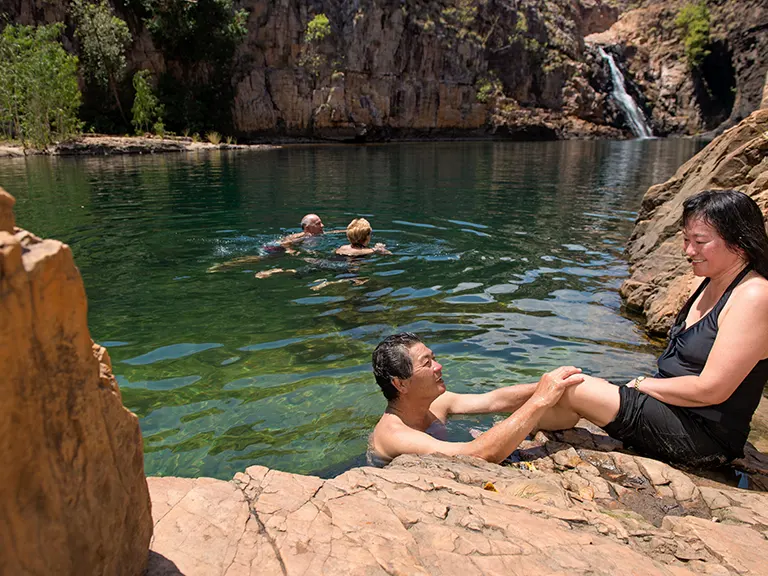
Swimming Spots (Dry Season Only)
These areas are closely monitored to ensure safety, because popular swimming spots include Gunlom and Maguk, where the clear water and natural pools offer respite from the heat. Swimming in Kakadu is only permitted at designated areas during the dry season.
Maguk, also known as Barramundi Gorge, is one of Kakadu's most popular swimming spots. A short walk away, it's a clear plunge pool surrounded by rock walls and forest. It is a peaceful place to relax and enjoy the natural beauty of the park.
Fishing & Boating (Where Permitted)
Fishing is allowed in certain areas of Kakadu, with strict rules to protect wildlife and cultural sites. Barramundi fishing is especially popular during approved seasons.
Boating is also permitted in specific locations, and visitors should always follow park guidelines.
Scenic Flights & Helicopter Tours
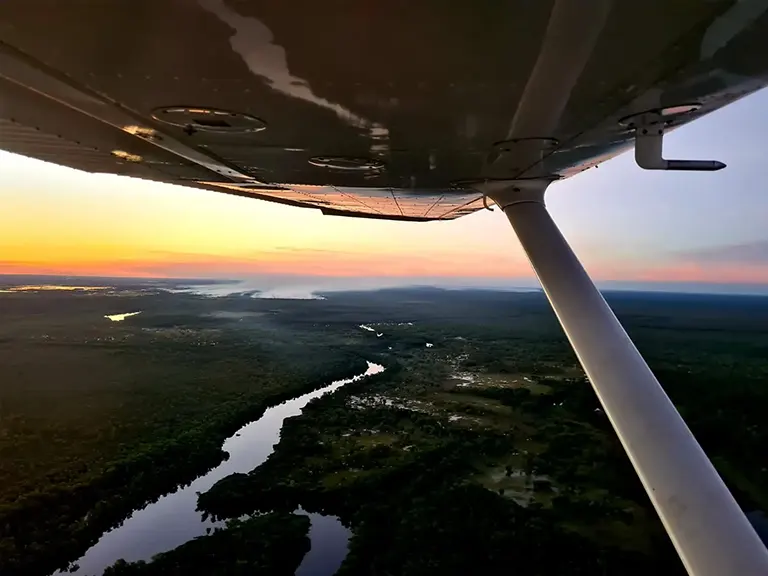
For a different perspective, scenic flights and helicopter tours offer views of Kakadu’s vast size. From the air, travellers can see waterfalls, wetlands, and escarpments that are otherwise difficult to reach.
Photography Opportunities
Kakadu is a dream destination for photographers. where sunrise and sunset bring dramatic colours, while wildlife and landscapes offer endless subjects throughout the day.
Best Time to Visit Kakadu National Park
Most people visit Kakadu during the dry season, from May to October. The roads are open, the waterfalls are easier to reach, and it’s much better for walking around or going for a swim.
The wet season, from November to April, is very different. There’s a lot of rain, the waterfalls are stronger, and everything turns bright green. It looks beautiful, but some areas are closed because of flooding.
Safety Tips & Park Rules
When you’re in Kakadu, you need to follow the park rules and respect the wildlife. It's also good to check road and weather conditions before heading out, as things can change quickly. Only swim in places that are clearly marked as safe, and always pay attention to crocodile warnings. They’re there for a reason.
Tour Details – 4WD, Guided & Night Tours
4WD and Guided tours are a good way to see Kakadu without worrying too much. They sort out the transport, provide a guide, and take you to places that are harder to reach on your own, which really helps if it’s your first visit.
Some companies also run night tours, where you might spot wildlife that only comes out after dark and see the park in a completely different way.
These tours are usually in small groups and use a 4WD to reach the right areas. Because Kakadu can be unpredictable, everything is guided and planned with safety in mind.
FAQ
- Do I need a 4WD to explore Kakadu National Park?
You won’t always need one especially in the dry season when most of the main spots are easy enough to reach. But if you’re keen to check out more remote waterfalls or head down some rougher tracks, having a 4WD definitely makes things a lot easier. - Is it safe to swim in Kakadu?
You can swim, but only in places that are clearly marked as safe during the dry season. It’s really important not to swim in rivers or billabongs because of crocodiles. - What’s the best time to visit Kakadu?
Most people come between May and October. The roads are in better condition, more areas are open, and it’s generally safer for walking and swimming. - How many days should I spend in Kakadu?
Around two or three days is usually enough to see the main highlights without feeling rushed. That gives you time for rock art, waterfalls, and maybe a wildlife cruise as well. - Are guided tours worth it?
Yes, especially if it’s your first time. You’ll get proper local insight, easier access to the more remote spots, and a much better chance of seeing wildlife.