


Snorkeling on the Big Island is one of those things that stays with you long after your trip has ended. With its warm waters, colourful reefs and incredible variety of marine life, it’s easy to see why this island is a favourite for snorkellers. That said, choosing the right time to visit can really shape your experience.
This blog tells you when to go, what to expect and how to have the best time in the water.
Best Season for Snorkeling
The Big Island has two main seasons:
- Dry season (April to October)
- Wet season (November to March)
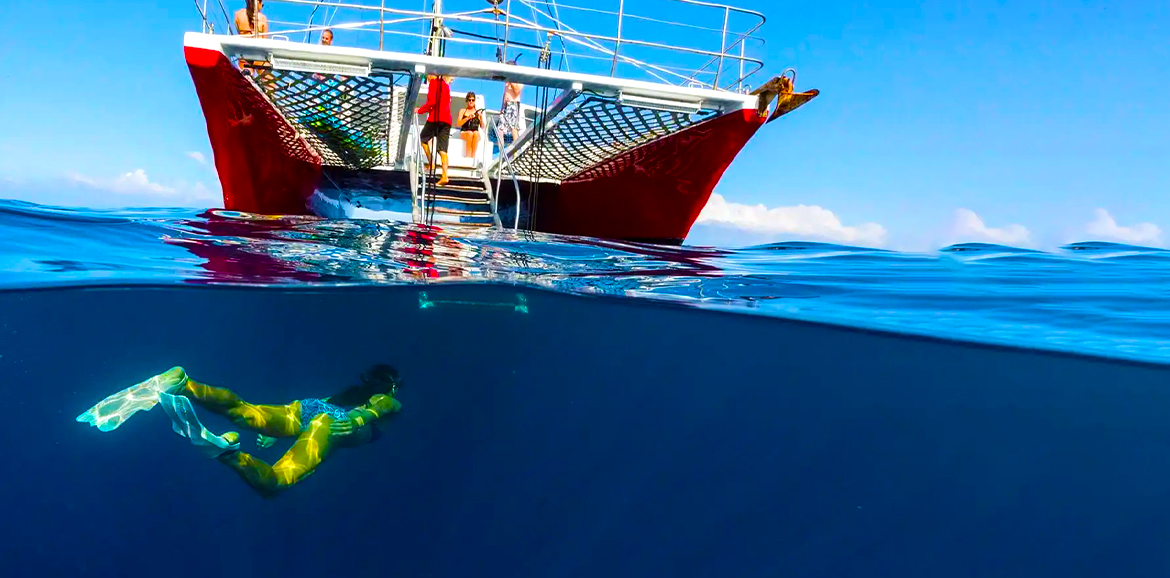
The dry season is widely considered the best time for snorkeling. The ocean is calmer during these months, visibility is great, and there is less rain that makes the water less clear. This makes it great for popular tours like the Big Island Morning Snorkel, which leaves early to take advantage of the calm waters and clear skies. Conditions are generally excellent, though some days may still have stronger waves or reduced visibility.
Best Snorkeling Spots By Skill Level
The Big Island has a range of snorkelling spots that are suitable for all.
Beginner-Friendly Spots
- Kahaluʻu Beach Park – Calm, shallow water full of fish
- Anaehoʻomalu Bay – Sandy entrance and gentle conditions
Intermediate Spots
- Honaunau Bay – Clear water with more depth and marine life
- Kealakekua Bay – Great visibility, often accessed by boat or kayak
Advanced / Open Water Experiences
- Offshore snorkelling and deeper waters, including manta ray night snorkelling tours
- Areas with stronger currents or boat access only
Why Mornings Are Ideal
No matter the time of year, mornings offer the best opportunity to get in the water.
- Winds are lighter
- The sea is calmer
- Visibility is at its best
This is why many experiences such as the Kealakekua Bay Snorkelling tour are scheduled early in the day. The Bay of Kealakekua is particularly beautiful in the morning with clear water and active marine life.
Snorkelling at Sunset and Night
While mornings are ideal for visibility, evenings offer something completely different.
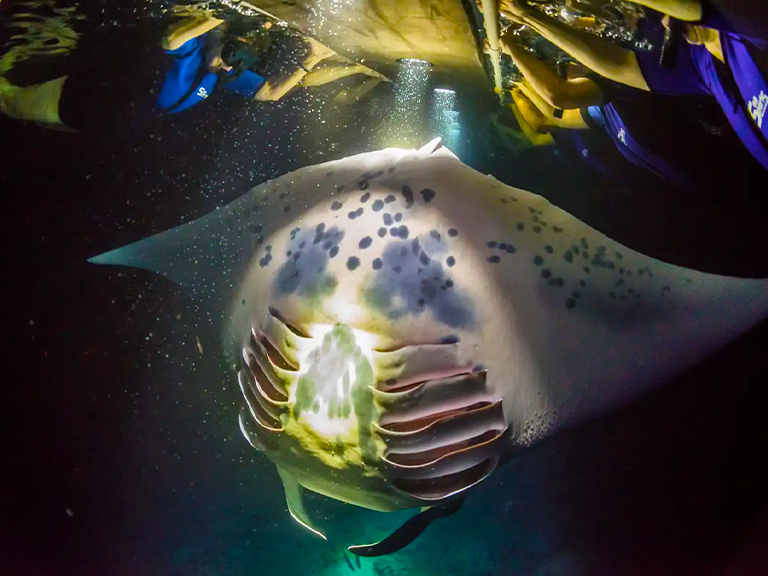
Experiences such as the Sunset Cruise & Manta Ray Night Snorkelling in Hawaii and the Night Manta Snorkelling Experience give you the chance to witness manta rays feeding under lights in open water. It is a calm, almost surreal experience and one of the most unique activities on the island.
Night snorkelling is available year-round, though calm sea conditions always make it more enjoyable.
Seasonal Wildlife Encounters
The Big Island is rich in marine life throughout the year. Depending on when you visit, you might see:
- Tropical reef fish in shallow bays
- Green sea turtles during trips like the Turtle Snorkel Sail | From Waikoloa
- Spinner dolphins during excursions such as the Pelagic Wildlife Excursion
- Manta rays on guided night snorkelling tours
- Humpback whales during the winter months on tours like the Whale Watching Cruise From Waikoloa
Each season offers something slightly different, but there is never a bad time for wildlife spotting.
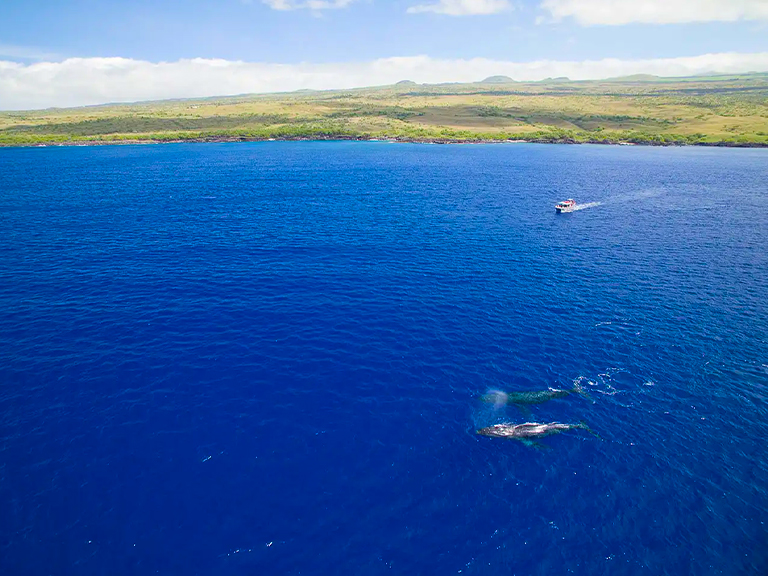
Common marine life all year round
- Monk seals
- 4 species of Dolphins
- Whale Sharks
- Tiger sharks
- Pilot Whales
- Turtles
- Eagle Rays
- Manta Rays
- Sperm Whales
- Pygmy killer Whales
What to bring for Snorkelling on the Big Island
- Reef safe sunscreen to protect coral reefs
- Rash protection
- Light wetsuits for sun protection
- Towels and dry clothes
- Waterproof bags for valuables
- Drinking water to maintain hydration
Safety Advice for Snorkelling
While snorkelling on the Big Island is a fun activity, safety should always come first. You'll have a pleasant and worry-free day on the water if you follow these easy tips.
The Buddy System
Always go snorkelling with a friend and stay close enough to assist each other. Compared to going alone, it is far safer.
Select Clear Water
Snorkel only in clear water. It can be more difficult to see dangers in murky water.
Check the Weather
Always check the wind, waves and weather before getting into the water. Ocean conditions can change quickly, especially for beginners.
Beware of Ocean Currents
Currents can be stronger than they look. If you get caught in one, don’t swim against the current. Swim across the current to get out of it.
Steer clear of alcohol
Avoid consuming alcohol prior to snorkelling. Your awareness, balance, and response time are all impacted.
Avoid Contact with Marine Life
Do not touch marine life, including coral and fish. Protect the environment and protect yourself.
Trust Your Judgment
If conditions look unsafe, it's best to stay out of the water.
Avoid Feeding Fish
Although feeding fish may seem innocent, it can damage the ecology and interfere with their natural behaviour.
Best Places for Snorkelling
Kona (West Coast)
The west coast of the Big Island has calm, clear waters. Honaunau Bay and Kahaluʻu Beach Park are two of the best places to snorkel, and they are good for snorkellers of all skill levels.
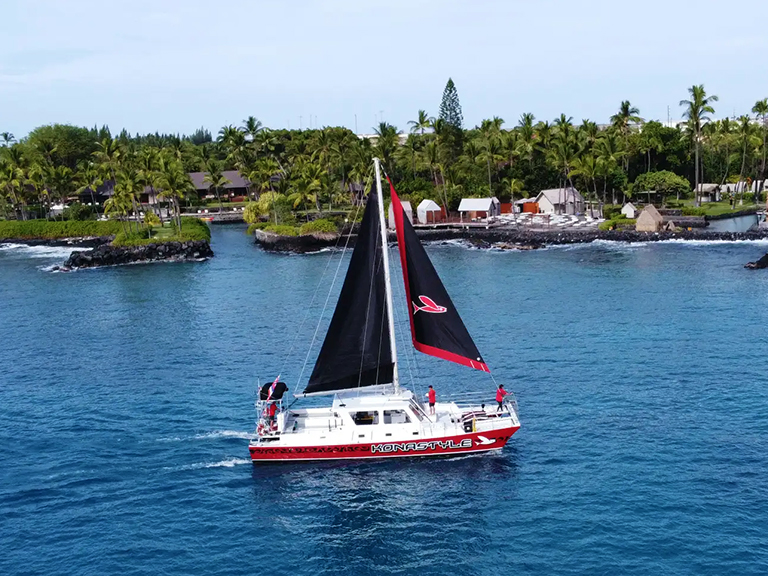
Book Afternoon Ali'i Snorkel Adventure From Kona
Hilo (East Coast)
The east coast is generally wetter and rougher, So less ideal for snorkelling due to rougher conditions. Carlsmith Beach Park and Onekahakaha Beach Park are two other good places to snorkel in Hilo.
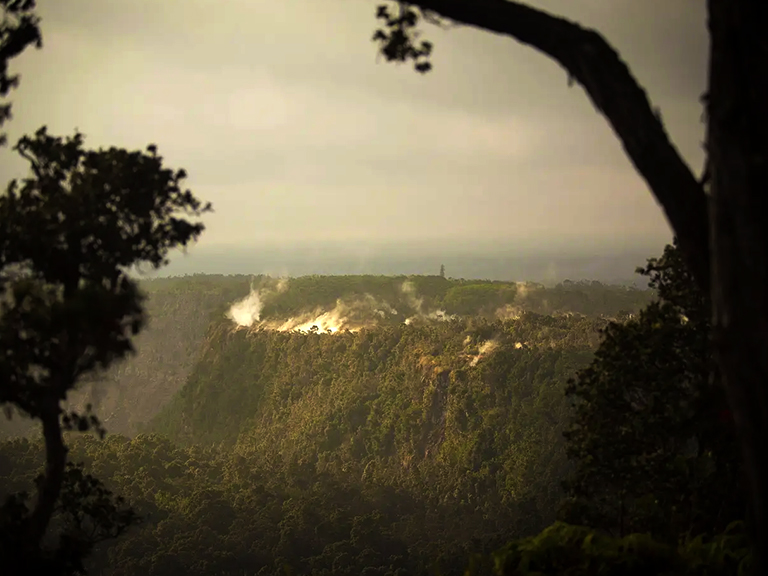
Book Evening Volcano Explorer Tour – Hilo
Final Thoughts
The best time to snorkel on the island is during the dry season from April to October. Morning is particularly recommended for the calm conditions of the ocean and good visibility. However, unique experiences such as manta ray night snorkelling mean that you can enjoy something special at any time of the year.
Whether you choose to swim in the calm morning or an unforgettable night encounter, the island offers an unusual snorkelling experience.
FAQs
- What is the best month for snorkelling on the Big Island?
The best months are typically between April and October when the ocean is calmer and visibility is at its best.
- Can you snorkel in the Big Island during winter?
Yes, you can snorkel during the wet season but conditions can be less predictable. It is best to pick calm days and stick to sheltered spots.
- Is night snorkelling safe in Hawaii?
Yes, guided experiences such as the Sunset Cruise & Manta Ray Night Snorkelling in Hawaii are safe when done with professional operators.
- What is the best place to snorkel on the Big Island?
Popular spots include Kealakekua Bay and Kahaluʻu Beach Park, which offer clear waters and plenty of marine life.
- Do I need to be an expert swimmer to snorkel?
No, many tours such as the Turtle Snorkel Sail From Waikoloa and Big Island Morning Snorkel cater to beginners and provide safety gear and instructions.