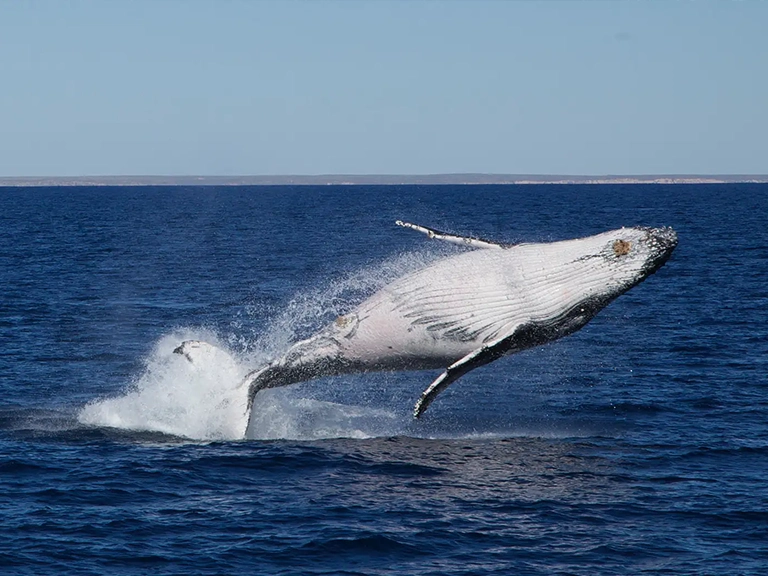
Top Things To Do In Moreton Island For A Perfect Island Getaway

Moreton Island, also known as Mulgumpin, A beautiful natural spot off the coast of Queensland, known for its crystal-clear waters, towering sand dunes, and rich marine life. Every day here brings something fun, whether it’s 4WD exploring, snorkelling the reefs, or swimming in natural lagoons.

From December to February is the perfect time to visit, when warm weather creates perfect conditions for water activities and outdoor adventures. The easiest way to get Moreton island is by passenger ferry or vehicle barge from Holt Street Wharf in Pinkenba, about a 15-minute drive from the Brisbane CBD. The journey usually takes around 75 to 90 minutes.


Top Things to Do in Moreton Island

Dolphin Experience

Wading beside wild dolphins at Tangalooma is one of the most memorable experiences on Moreton Island. Offering a rare chance to observe these gentle creatures up close in shallow water while learning about their natural behavior through carefully managed and respectful encounters suitable for all ages.
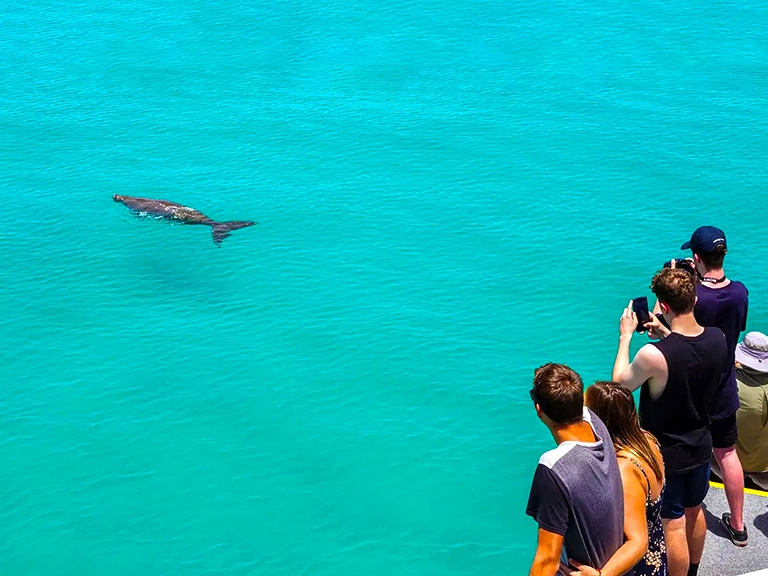
Dolphin Experience at Moreton Island

Book Moreton Island Dolphin Tour

Tangalooma Wrecks Snorkelling

Snorkelling at Tangalooma Wrecks is a popular activity and a unique experience for anyone visiting this island. The calm and clear water makes snorkelling the wrecks easy, even for beginners  Colourful fish, coral growth, and marine life surround the sunken ships, and many tours include this as part of a Tangalooma snorkelling cruise.
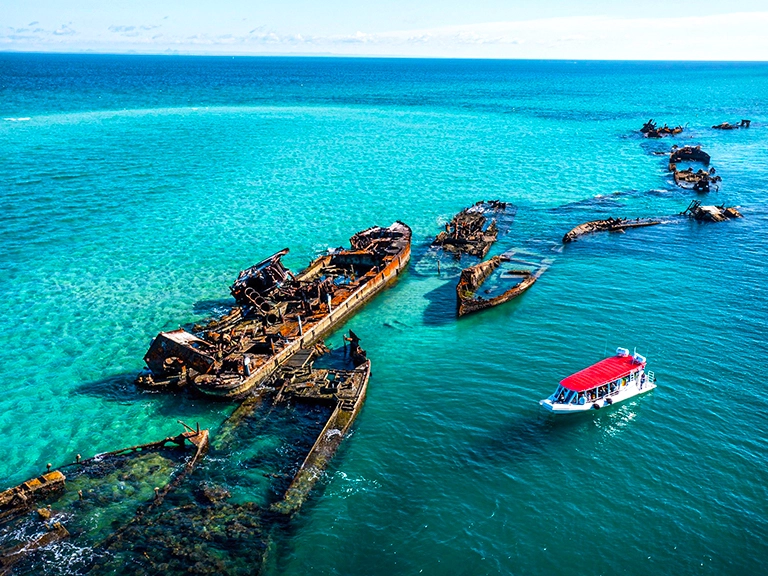
Tangalooma Wrecks Snorkelling

Kayaking at Night

The night kayak tour offers a peaceful and unique way to explore Moreton Island after sunset. Guided tours allow visitors to paddle across calm waters under the stars, often spotting glowing marine life beneath the surface. This experience is popular with travellers looking for something different during their day trips to Moreton Island or overnight stays.
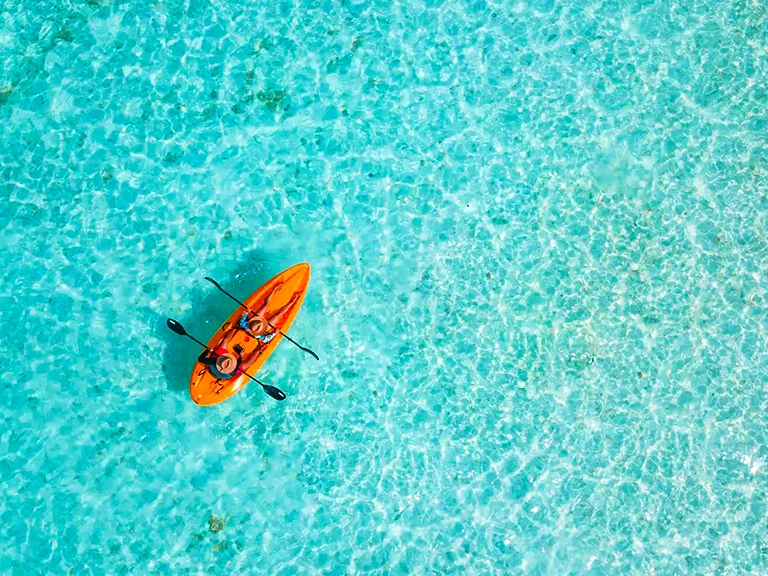
Kayaking at Night
Kayaking at Night

Tangalooma Desert Adventure

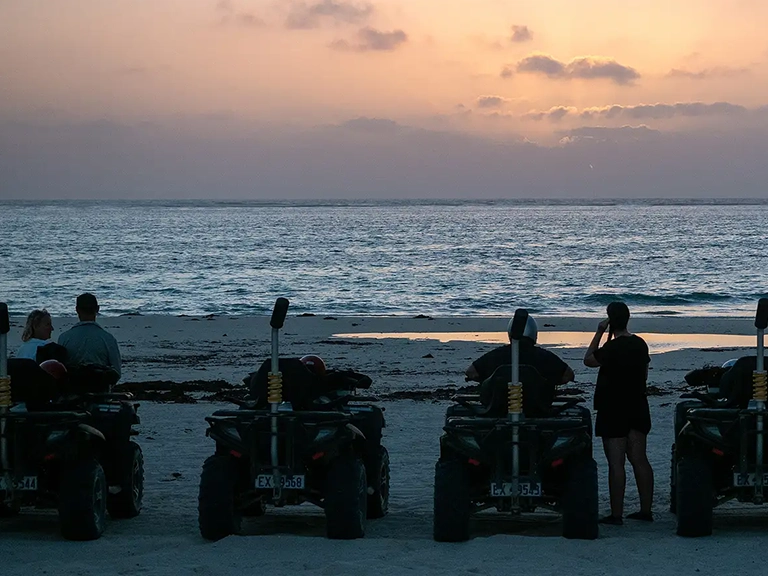
The Tangalooma Desert is well known for its high sand dunes and open vistas. Visitors can explore the area through guided 4WD tours in Moreton Island, which often include sandboarding and scenic stops. It’s an exciting way to experience the island’s natural beauty while learning about its unique sand environment.
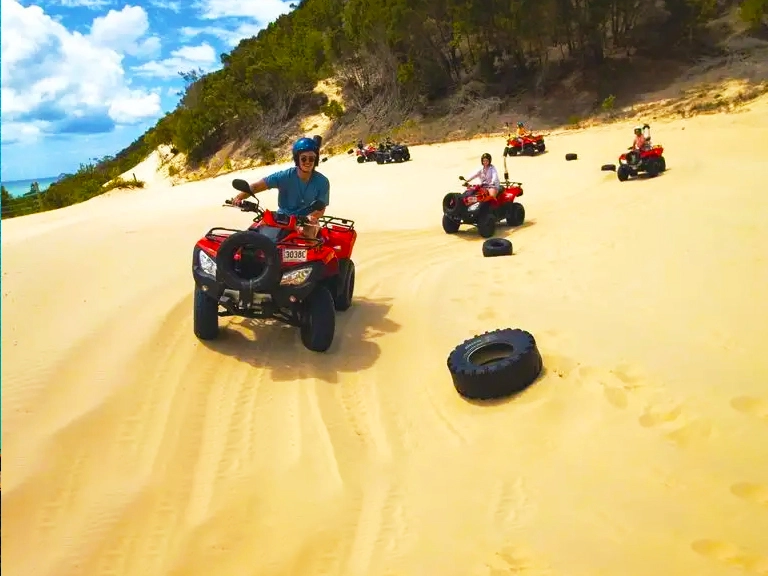
Tangalooma Desert Adventure

Book ATV Quad Bike Day Tour

Blue Lagoon Escape

Swimming in the Blue Lagoon offers a relaxing break from other ocean activities, thanks to its calm, clear freshwater surrounded by natural bushland. It's perfect for families and swimmers of all levels, and it's a popular stop on many Moreton Island day trips, especially during the warmer months.
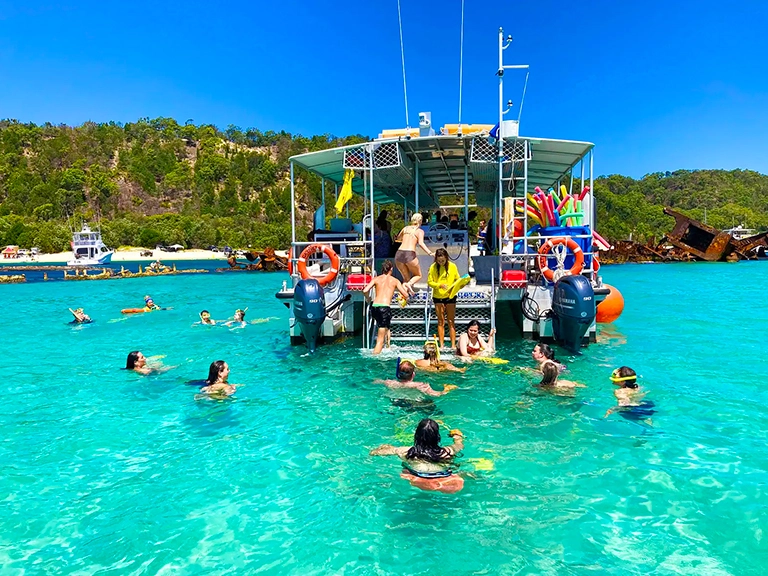
Blue Lagoon Escape
Blue Lagoon Escape

Discover the Oldest Lighthouse in Queensland

Cape Moreton Lighthouse is Queensland's oldest lighthouse and one of the most famous landmarks on the island. The location offers sweeping ocean views and is a popular spot for whale watching on Moreton Island during migration season. Reaching the lighthouse often involves scenic off-road travel, adding to the overall adventure.
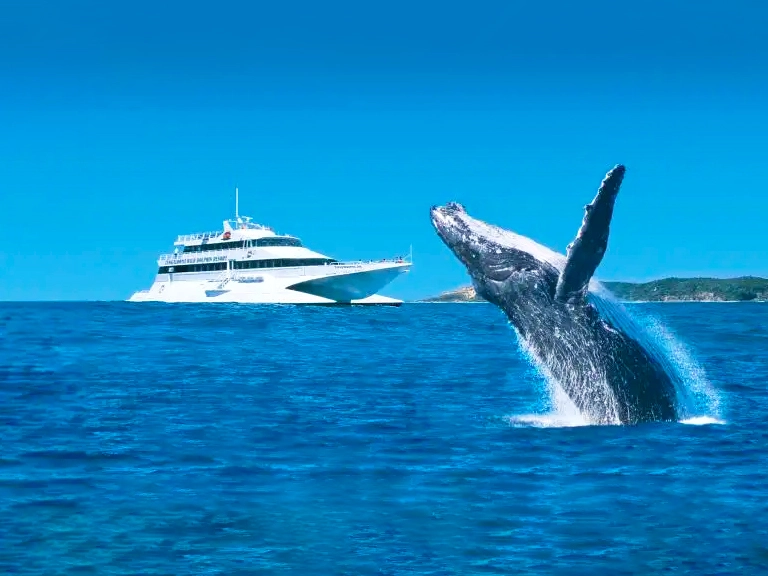
Lighthouse in Queensland

Conclusion

For adventure, nature, and relaxation, Moreton Island is one of the best islands. This island offers unforgettable experiences, including swimming with wild dolphins, Snorkelling at Tangalooma Wrecks and exploring vast dunes and tranquil lagoons.   Travellers can easily access Brisbane making it perfect for short breaks and extended stays alike. With such a wide variety of things to do at Moreton Island, visitors can enjoy both excitement and calm in a beautiful island setting that feels refreshingly untouched.


Best time to see

Also Read: Moreton Island Day Trip: Get Wrecked Tour


FAQ

  1.  Do I need a 4WD on Moreton Island?
    Most roads are sandy and 4WD is recommended if you plan to explore independently.
  2. Do you need swimming skills for activities on Moreton Island?
    Basic swimming ability is helpful, but many activities are guided and suitable for beginners.
  3. Can you explore the island independently?
    Yes, but when traveling alone, a 4WD vehicle and careful planning are usually necessary.
  4. Are there food and other facilities available on the island?
    Yes, some cafes, resorts, and facilities are available, although the options are limited compared to the mainland.
  5.  Are day trips to Moreton Island worth it?
    Yes, day trips are very popular and include visits to main attractions such as Snorkelling spots, sandboarding areas, and lagoons.
Top Things to Do in Yosemite National Park for First-Time Visitors

Planning a trip to Yosemite National Park? You’re visiting one of the most beautiful places in the United States. It is known for massive cliffs, waterfalls, green forests, and open valleys. There are many things to do in Yosemite National Park, from easy walks to outdoor activities suitable for all types of travelers.

Yosemite National Park offers something for everyone. Whether you enjoy nature, adventure, or a relaxing break from daily life, it is an ideal destination. Whether you are visiting for a day or staying longer, you will always find something memorable.


Best Outdoor Things to Do in Yosemite National Park

Explore Yosemite Valley

If it’s your first visit, start with Yosemite Valley. It is the heart of the park and home to famous landmarks like El Capitan, Half Dome, and Yosemite Falls.

You can walk, rent a bike, or relax in the open meadows. The views are visible in every direction, making it one of the most scenic areas in the park.

If you prefer a guided experience, the Yosemite Valley Discovery Tour is a convenient option. It covers the main highlights in one day with a guide, allowing you to explore without worrying about navigation or planning.

Hiking – One of the Best Things to Do in Yosemite National Park

Hiking in Yosemite National Park is one of the best ways to explore the park up close. There are trails for every level, including easy walks like Mirror Lake, moderate routes like the Mist Trail, and challenging hikes like Half Dome.

As you hike, you will pass waterfalls, forests, and scenic viewpoints. Start early, carry enough water, and take your time to fully enjoy the experience.

Chase Waterfalls

Yosemite is well known for its waterfalls, especially during spring and early summer when snow begins to melt. Popular spots include Yosemite Falls, Bridalveil Fall, and Vernal Fall.

The sound of flowing water, cool mist, and occasional rainbows create an unforgettable experience for visitors.

Bike Through Scenic Paths

For a more relaxed activity, biking around Yosemite Valley is a great option. The paths are mostly flat and easy, making them suitable for beginners and families.

You can ride along the river, stop for photos, and explore at your own pace. It is a quiet and enjoyable way to experience the park.


Book Yosemite Explorer Package

Visit Giant Sequoia Trees

Visit Mariposa Grove to see giant sequoia trees that are thousands of years old. Walking among these massive trees offers a peaceful and unique experience, different from the valley landscape.

Try Rock Climbing

Yosemite National Park is one of the most famous rock climbing destinations in the world. Locations like El Capitan attract climbers from around the globe.

Beginners can join guided climbing sessions to try the experience safely while enjoying an adventurous activity.

Enjoy Stargazing

At night, Yosemite becomes calm and quiet. With minimal light pollution, the sky becomes clear and filled with stars. On clear nights, you can even see the Milky Way.

Find an open space, sit back, and enjoy the peaceful atmosphere.

Take Scenic Drives

If you prefer not to hike, scenic drives are an excellent alternative. Roads like Tioga Road and Glacier Point Road offer stunning mountain views and landscapes with minimal effort.

You can stop along the way for photos or simply enjoy the journey at a relaxed pace.


Where to Stay in Yosemite National Park

You can stay inside Yosemite National Park for easy access to major attractions like Yosemite Valley and Yosemite Falls. This helps you save travel time and explore early or late in the day.

For more budget-friendly options, nearby towns such as Mariposa, Oakhurst, and El Portal offer a wider range of accommodations. Booking in advance is recommended, especially during peak travel seasons.


Join Guided Tours for Easy Travel

If you prefer not to plan everything yourself, guided tours are a convenient way to explore Yosemite National Park.

Day tours are ideal for short visits, covering major attractions like Yosemite Valley, waterfalls, and scenic viewpoints in one trip without the need for planning.

The Yosemite Valley Discovery Tour is a popular choice, offering guided access to key highlights.

For longer stays, multi-day tours allow you to explore at a relaxed pace, discover more locations, and enjoy hiking or wildlife experiences.

Why Visit Yosemite National Park

Yosemite National Park offers a perfect balance of adventure and relaxation. Visitors can hike, explore waterfalls, or simply enjoy peaceful natural surroundings.

The landscape features towering cliffs, green valleys, and open skies, creating a truly memorable environment. It also provides an opportunity to disconnect from busy routines and reconnect with nature.


How Many Days Are Perfect

For a Yosemite National Park trip, 2 to 3 days is ideal.

Note: Reservations or timed-entry permits may be required during certain seasons.


Special Message

While visiting Yosemite, avoid treating it as a checklist. Take time to slow down, walk, observe nature, and enjoy the surroundings.

Respect the environment by keeping it clean, following park rules, and preserving its natural beauty for future visitors.


Conclusion

Yosemite National Park is more than just a travel destination—it is a place to experience nature up close. With scenic views, waterfalls, forests, and clear night skies, it offers a unique and memorable journey.

Whether you explore independently or join guided Yosemite tours, the experience is rewarding and unforgettable.


FAQs

  1. What is the best time to visit Yosemite National Park?
    Late spring to early summer (May–June) is ideal for waterfalls and scenic views.
  2. How many days are enough for Yosemite?
    2–3 days are recommended for a comfortable trip.
  3. Do I need a reservation to enter Yosemite?
    Yes, depending on the season. Always check before planning your visit.
  4. What are the must-see places in Yosemite?
    Yosemite Valley, El Capitan, Half Dome, and Yosemite Falls.
  5. Is Yosemite a good place for families or beginners?
    Yes, there are easy paths, bicycle lanes, and beautiful spots here that are good for everyone.
  6. What are the top things to do in Yosemite?
    Hiking, visiting waterfalls, biking, scenic drives, and stargazing are among the top activities.
  7. How much does it cost to enter Yosemite National Park?
    $35 per vehicle for 7 days, or $20 per person for walk-ins or cyclists.
  8. What should I pack for Yosemite?
    Comfortable shoes, water, snacks, sunscreen, and layered clothing.

Hawaii in June: Weather, Crowds, Costs & Best Things to Do

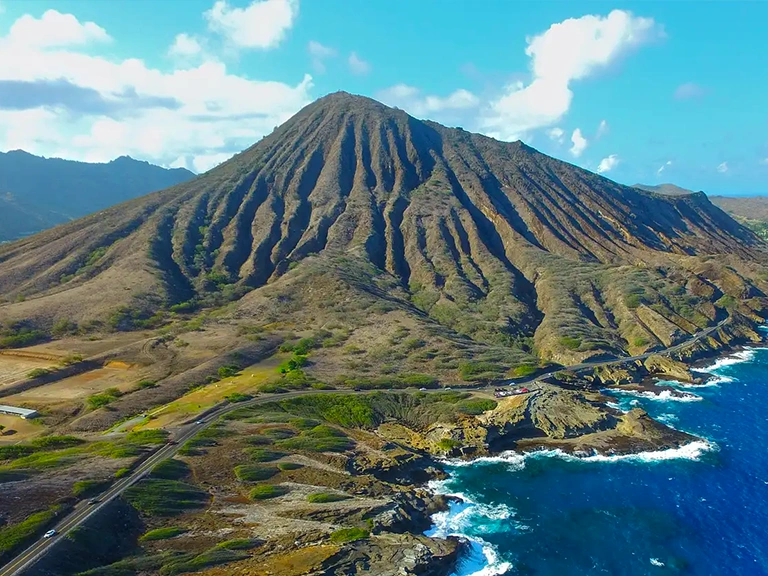
Hawaii is a group of beautiful American islands located in the Pacific Ocean. It is famous for beaches, volcanoes and relaxing beach lifestyle. June is considered to be one of the best months to visit because summer begins, the weather is warm and outdoor water activities become more enjoyable. Travellers can enjoy swimming, surfing, snorkelling and long sunny beach days during this time.


Weather in Hawaii in June

June brings warm and comfortable weather across the Hawaiian Islands. Average daytime temperatures usually stay between 24°C and 29°C (75.2°F to 84.2°F), making it ideal for beach holidays. Evenings remain pleasant with light ocean breezes, so travellers rarely feel extreme heat.

Rainfall in June is generally low because Hawaii moves into its drier summer season. Most areas receive only 1 to 3 inches of rain and sunny skies are very common, especially on the dry sides of the islands. This means visitors can plan outdoor activities without thinking much about rain in this month.

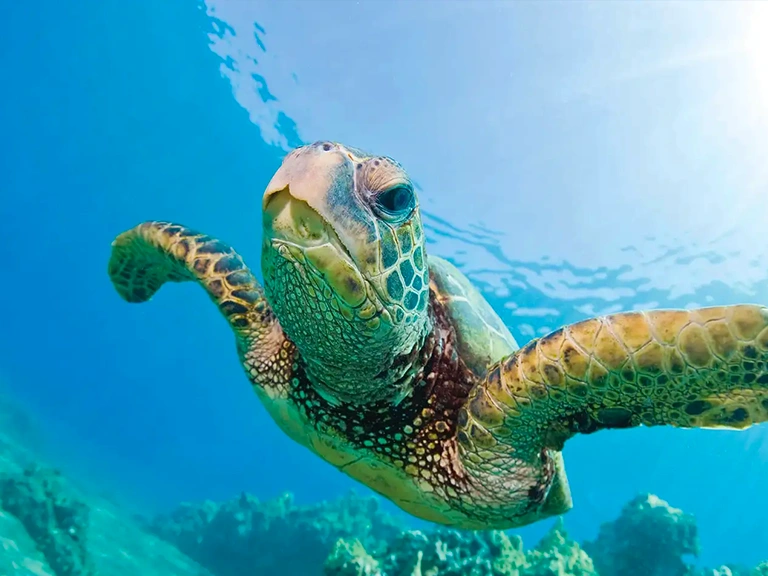
Ocean conditions are also calm and welcoming during June. Lukewarm water and gentle waves make it a great time for swimming, snorkelling and learning to surf. Many travellers consider June ideal for water activities because the ocean is usually calmer compared to winter months.

Book Snorkel And Sail Adventure Tour

Weather in Hawaii in June

Why Visit Hawaii in June

June marks the start of Hawaii’s summer travel season. The islands come to life but are often less crowded than peak months like July and August. Visitors enjoy higher summer energy with low tourist rush.

The weather is perfect for beaches and water adventure activities. With extended daylight hours, adventurers can easily visit waterfalls, hike scenic trails, and drive along the coast, all while still finding time to unwind by the water.

June is also popular with families because schools in many countries close for summer holidays. Resorts offer a fun atmosphere with activities, cultural shows and water sports suitable for all age groups.

Explore Beautiful Colours of Hawaii Photo Tour

Hawaii Photo Tour
Hawaii Photo Tour

Best Activities to do in Hawaii in June

June is one of the best months to visit Hawaii because it offers a variety of activities. These are some of the best things to do in Hawaii for all kinds of travelers, from beaches and water sports to cultural encounters.

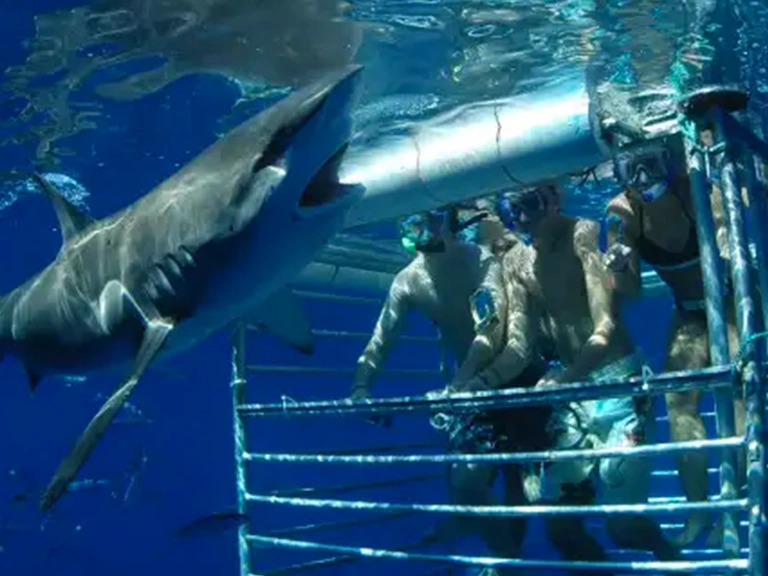
Oahu Shark Cage Diving at Haleiwa

For adventure lovers, shark cage diving on Oahu’s North Shore is an unforgettable experience. This guided ocean tour lets you safely watch sharks up close from a secure cage while learning about their behavior and marine life. It’s a thrilling yet beginner-friendly activity that requires no diving experience.

Book Oahu Shark Cage Diving at Haleiwa

Oahu Shark Cage Diving at Haleiwa

Big Island Big Day Out

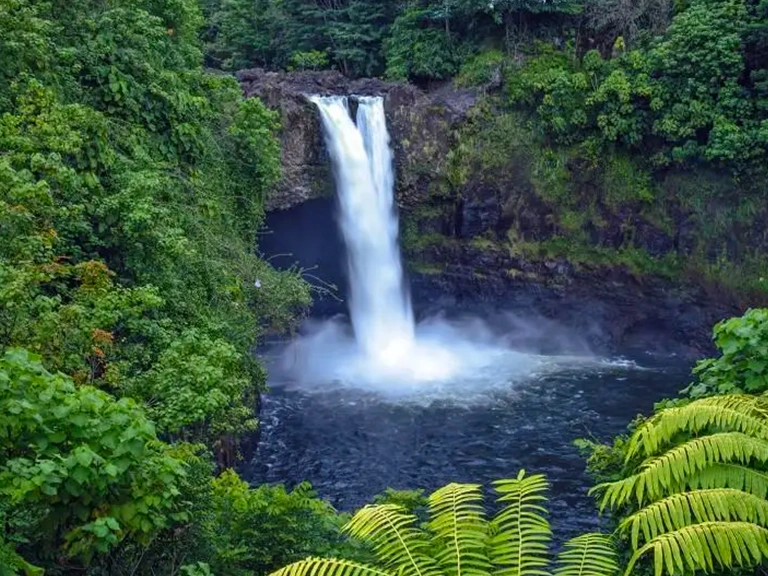
If you want to see multiple highlights in one day then the Big Island tour covers volcanoes, waterfalls and the famous black sand beach. The tour offers a taste of Kona coffee and breathtaking vistas, perfect for newcomers seeking a comprehensive introduction to the island.

Explore Big Island Big Day Out

Big Island Big Day Out

Ka Moana Luau Polynesian Performance

Immerse yourself in Hawaiian culture with an evening luau. Enjoy traditional dances, live Polynesian performances and a sumptuous island buffet. There are also cultural activities, such as hula lessons and lei making, making it a wonderful, family-friendly cultural experience.

Book Ka Moana Luau Polynesian Performance

Ka Moana Luau Polynesian Performance

Big Island Grand Circle Tour

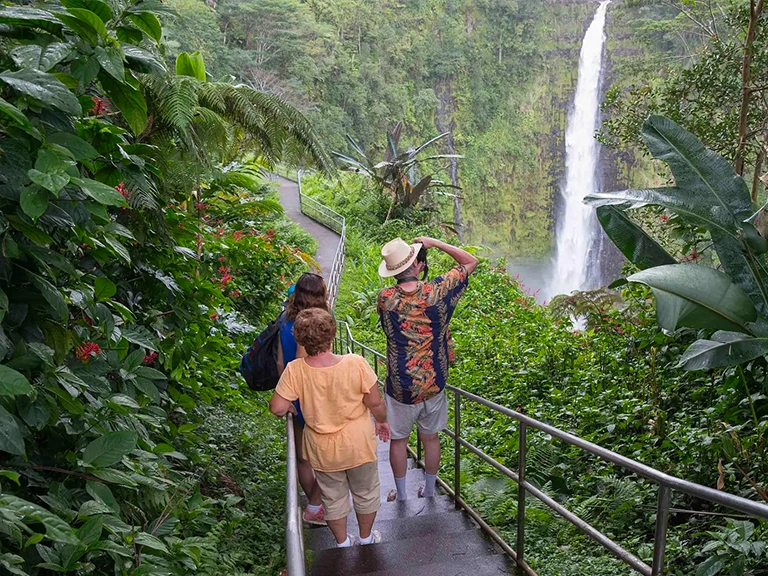
This full-day circle tour takes you through the varied landscapes of Hawaii's Big Island. You'll see waterfalls, volcanoes, black sand beaches and scenic valleys. With knowledgeable guides and small groups, it's a leisurely way to experience the island's natural beauty in a single trip.

Book Big Island Grand Circle Tour

Big Island Grand Circle Tour

Crowds in Hawaii in June

Tourism begins increasing in June as summer vacations start but crowds are still manageable compared to later summer months. Beaches and attractions are busy yet enjoyable, especially if you visit early in the morning.

Since June is part of Hawaii’s peak travel season (June to August), flights and hotels can become more expensive. Booking early helps travellers get better prices and preferred accommodations.


Events and Festivals in June

One of the biggest cultural celebrations in Hawaii is King Kamehameha Day, held every year on June 11. Observed as a holiday in honor of King Kamehameha I, the ruler who united all the Hawaiian Islands.

During this time visitors can watch colourful floral parades, traditional hula performances, music shows and lei-draping ceremonies at statues across the islands. These celebrations give travellers a chance to experience authentic Hawaiian culture.


Travel Tips for Hawaii in June

Pack light summer clothing, sunscreen, sunglasses and swimwear because sunshine is strong throughout the month. A light jacket may still be useful for cooler evenings or higher mountain areas.

Book your accommodations and any tours early; summer's popularity means prices are climbing. Planning ahead also guarantees you won't miss out on things like snorkeling or luaus.

Instead of sticking to the usual tourist spots, look into local markets, cultural events, and the stunning scenery of Hawaii's trails.

June presents ideal weather for hiking and sightseeing on the various islands.


Final Thoughts

Hawaii in June is nothing less than a paradise for anyone craving sun, beautiful beaches and plenty of outdoor fun. The islands are warm, the water is perfect and the summer atmosphere is alive, unlike the busy tourist season that comes later. If you want to sunbathe, hunt for waterfalls, or soak up the local culture and celebrations, June is the perfect time to explore and relax.

It offers a perfect blend of stunning landscapes and aquatic adventures, making it ideal for families, couples, and solo travellers.

Planning a trip to Hawaii this June?

Secure the best deals by booking early with Backpacker Deals. They make planning simple, ensuring your ideal island escape becomes a truly relaxing and unforgettable experience.


FAQs

  1. Is June a good time to visit Hawaii?
    Absolutely. June is an excellent time to experience Hawaii, thanks to its warm temperatures, minimal rainfall and ideal ocean conditions for swimming and snorkelling.
  2. How hot is Hawaii in June?
    Daytime temperatures usually range between 24°C and 29°C (75°F to 85°F). Evenings are comfortable with light ocean breezes, so the weather feels pleasant throughout the day.
  3. Is Hawaii crowded in June?
    Crowds start increasing because summer holidays begin, but it is still less busy than July and August. Visiting attractions early in the day helps avoid peak crowds.
  4. Is June a good time to swim and snorkel in Hawaii?
    Absolutely. June is a prime month for all things aquatic. The water is invitingly warm and usually pretty tranquil, perfect for swimming, snorkeling, sailing, and even for those just starting to surf.
  5. What should I pack for Hawaii in June?
    Pack light summer clothes, swimwear, sunscreen, sunglasses, comfortable walking shoes and a light jacket for cooler evenings or higher elevations.

Perth in Winter: A Perfect Escape for Nature and City Lovers

Most people think of Perth as a sunny, beach-filled place brimming with the energy of summer. But if you visit during the winter, it feels like a completely different city. You can feel quieter, cooler, and, to be honest, utterly charming in its simplicity.
You’ll see more greenery, way fewer crowds, and plenty of cosy indoor spots to chill. It’s a great time to visit if you just want to slow down and explore without any rush.
In this guide, you’ll find the best things to do in Perth, what the weather’s like, and some handy tips to help you plan your trip during winter.


Perth in winter

(June to August) is mild compared to many other destinations.

You can expect occasional rain showers, but they are usually light and don’t last all day. The rain also brings fresh greenery across parks and nature spots.

Coastal areas can be windy, especially near beaches, so it’s a good idea to carry a light jacket. Overall, winter weather is comfortable for sightseeing and outdoor activities.


Outdoor Activities

Parks and Gardens

A visit to Kings Park & Botanic Garden is something you really shouldn’t miss. It’s one of the best parks in Perth in winter, with everything looking greener and fresher during this time. The views of the city skyline and the Swan River are amazing. It’s a great spot for a relaxed walk, a picnic, or just taking some nice photos.

Parks and Gardens
Parks and Gardens

Beaches

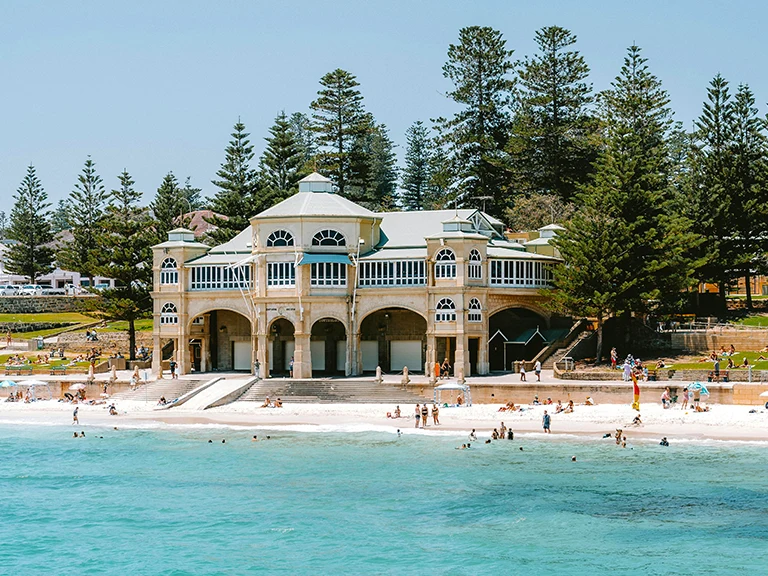
Perth beaches in winter offer a quieter and more relaxed experience. Beaches like Cottesloe Beach are much less crowded during this time. You might not always go for a swim, but it’s perfect for calm walks, watching the sunset, and enjoying the ocean without big crowds.

Beaches
Beaches

Nature Escapes

You can head out to the Perth Hills for a nice drive, waterfalls, and easy nature walks. Winter is also a good time when you might start seeing early wildflowers coming out.

Nature Escapes
Nature Escapes

Wine Regions

Visit Swan Valley, one of the oldest wine regions in Australia. Winter is a great time to enjoy wine tasting, try local food, and relax in cosy cellar doors.

Wine Regions
Wine Regions

Book Swan Valley Wine Tour

Whale watching

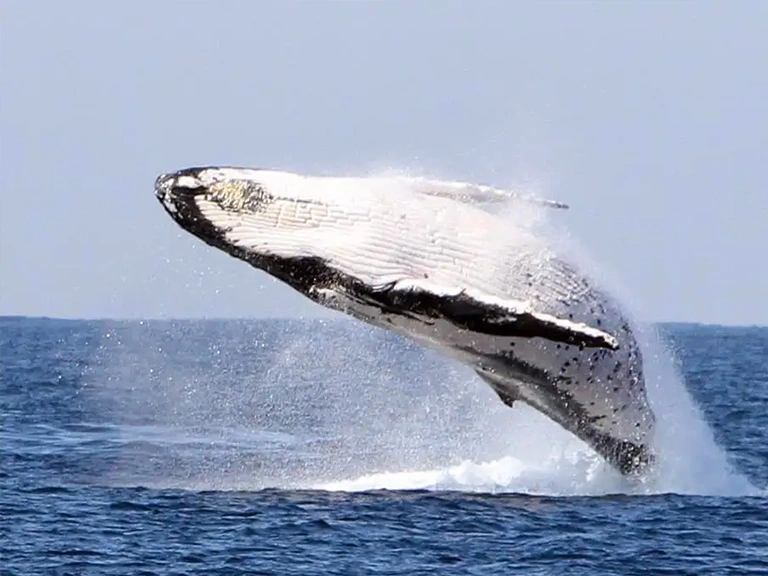
Winter is also when whale watching becomes a thing along the coast. If you’re lucky, you might spot migrating whales, which is a pretty memorable experience.

Whale watching
Whale watching

Explore Perth Whale Watching Tours

Fremantle Markets.

If you’re looking for something more relaxed, you can spend time at Fremantle Markets. It’s a mix of indoor and open space, with lots of food stalls, small shops, and local items to check out.

Fremantle Markets.
Fremantle Markets.

Book Fremantle Tour

Rottnest Island

A quick jaunt to Rottnest Island is also a fine option. The island is celebrated for its natural splendor, cycling paths, and the welcoming quokkas. Winter brings a quieter atmosphere, lessening the crowds and making exploration even more pleasant.

Rottnest Island
Rottnest Island

Book Rottnest Island Bike Day Tour

Indoor & Cultural Activities

Museums and Galleries

Perth has a few great places if you want to spend time indoors and still learn something new. One of them is the WA Museum Boola Bardip, where you can understand the story of Western Australia more interactively and engagingly. Another interesting spot is The Perth Mint, which focuses on the region’s gold history and also lets you watch how things are done through live demonstrations.

Cafés and Restaurants

Cold days in Perth are a good excuse to slow down and grab something warm to eat. There are heaps of cafés and places to eat around the city where you can just sit, relax, and enjoy your time. Some are great for a quick brunch, while others are better if you feel like sitting longer and having a proper meal, like Sayers Sister and La Veen Coffee, which are popular for their cosy vibe and quality food.

Theatre, Festivals & Events

Winter in Perth isn’t boring at all. There’s still plenty going on, from comedy shows like the Perth Comedy Festival to big sports events such as the AFC Women’s Asian Cup 2026.

You’ll also notice so many things happening around the city , like local markets, live music, and small community events.


Why Visit Perth in Winter

Fewer Tourists

You can explore popular attractions without crowds, making your trip more relaxed.

Lush Landscapes

When it rains, the region turns lush and green, making parks, gardens, and natural spots look fresh and full of life.

Cosy Experiences

From wine tasting in Swan Valley to relaxing in cafés, winter offers a more laid-back and comfortable travel experience.

If you have time, enjoy a relaxing cruise on the Swan River or explore Fremantle, known for its markets, cafés, and historic streets. These simple experiences add more variety and give you a chance to enjoy a different side of Perth during winter.

Book Perth to Exmouth Explorer Tour


Travel Tips

Clothing

Pack layers like light jackets, sweaters, and comfortable walking shoes. Winter is cool but not extreme.

Rain Preparation

If you’re heading outdoors, it’s smart to bring along a small umbrella or a waterproof jacket. Perth’s winter can be a bit wet sometimes, so it’s better to be ready.

Timing & Crowds

Winter tends to be a quieter time in Perth. You’ll notice fewer tourists around, which means you can often score better deals on tours and places to stay. It’s a win if you prefer to avoid the crowds.

Transport

Getting around the city with public transport is easy enough. But if you want to visit spots like Swan Valley or the Perth Hills and take your time, renting a car is a great choice.


Conclusion

Winter gives Perth a calm and unique feel. Whether you want to explore nature, visit cultural spots, or relax by the water, there are plenty of things to do in Perth during this quiet season. If you are looking for a slower pace and a fresh way to see the city, winter is a great time to visit.


FAQ

    1. Is Perth windy during winter?
      Yes. It can get windy near the coast and beaches, so it helps to have a light jacket with you.
    2. Are flights and hotels cheaper in Perth during winter?
      Yes. Winter is off-season, so flights, hotels, and tours are often easier on the wallet.
    3. Can you see wildflowers in Perth during winter?
      Some early wildflowers start to bloom at the end of winter, especially in nature areas nearby.
    4. Is winter a good time for photography in Perth?
      Yes. The lighting is soft, the landscapes are green, and there are fewer people, which makes it a great time for photos.
    5. Are day trips from Perth worth it in winter?
      Absolutely! Places like Swan Valley and the nearby hills look even more beautiful during winter.
    6. Can you still do water activities in winter?
      Yes. Swimming might be too cold, but you can still go on a Swan River cruise and enjoy the scenery.
    7. Is Perth suitable for a winter weekend getaway?
      Absolutely — Perth is a great spot for a quick winter break, offering a nice mix of outdoor nature, tasty food, and city sights to explore.
    8. Are attractions open in Perth during winter?
      Yes. Most places, like museums, parks, and tours, stay open in winter. You can visit them anytime without worrying about closures.

Best Month to Visit Ningaloo Reef: A Seasonal Travel Guide

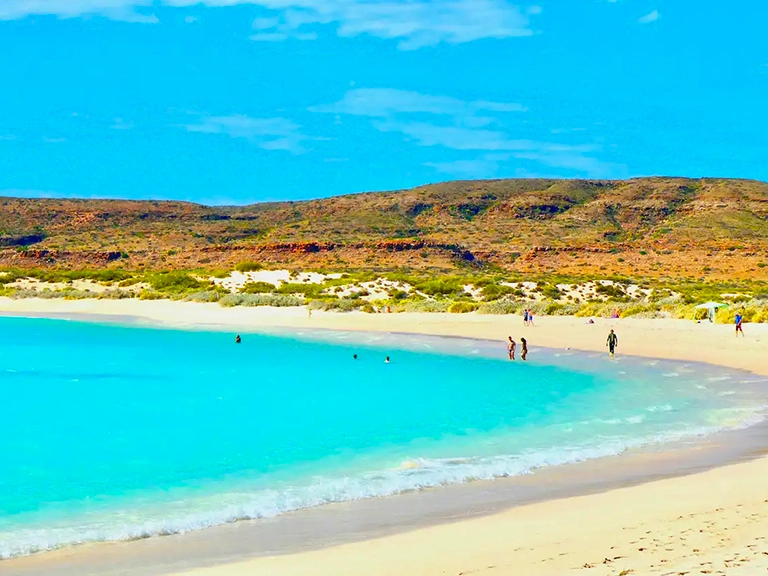
Ningaloo Reef is a stunning stretch along Western Australia’s Coral Coast it is a marine wonderland. Ningaloo, unlike countless other reefs, doesn't require a boat to access. It begins at the shoreline.

Stretching over 260 kilometres, Ningaloo Reef is also recognised as a UNESCO World Heritage Site, celebrated for its rich biodiversity and pristine marine ecosystem. You can literally walk into those clear, turquoise waters, surrounded by a kaleidoscope of coral and all manner of sea creatures.

You can visit the reef any time of year, sure, but picking the right month makes a real difference. The weather, how far you can see underwater, and the animals that are around all change from month to month, which means some times are just better than others for a visit.

Why Choosing the Right Month to Visit Ningaloo Reef Matters?

The best time to visit Ningaloo Reef is between April and October, the dry season. This stretch offers a blend of warm sun, placid waters, and remarkable visibility beneath the surface, making it perfect for snorkelling, diving, and spotting wildlife.

Those who visit during this period usually find:


Calm Waters and Clear Visibility

Calm seas and crystal-clear waters are the norm come April. The coastal breezes ease, and the ocean's surface smooths out considerably. This enhanced underwater visibility is a boon, allowing snorkellers and divers to fully take in the vibrant coral gardens and the diverse marine creatures that call them home.

Better visibility not only makes for a more pleasurable experience, but it also increases safety on guided tours.

Calm Waters and Clear Visibility

Marine Life by Month

The opportunity to observe remarkable marine life in its natural habitat is a key attraction of Ningaloo Reef. Different species are present at different times of the year, so when you go matters.

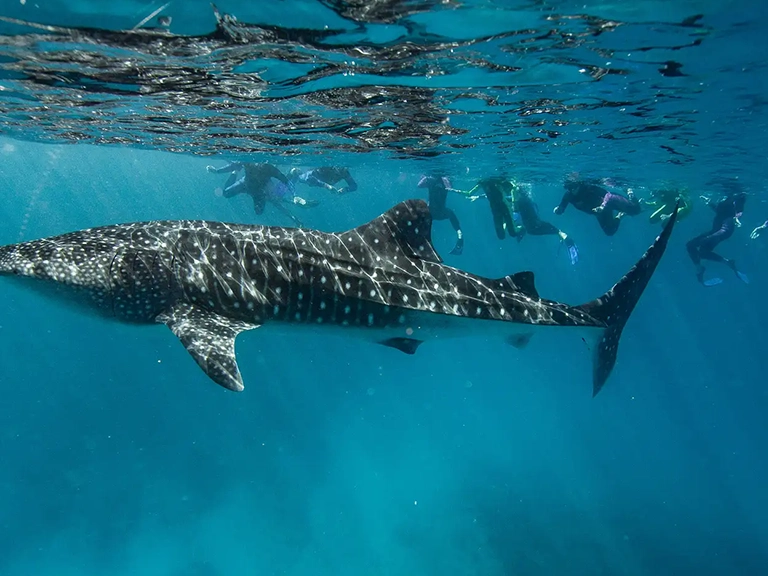
Swimming with whale sharks is widely regarded as one of the most memorable wildlife experiences on the planet, attracting visitors from all over.

If seeing wildlife is your main goal, planning your trip around migration seasons will have a big impact.

Marine Life by Month

Best Month to Visit Ningaloo Reef by Season

Autumn (March to May)

Autumn marks the beginning of Ningaloo’s prime travel season. The intense summer heat begins to ease, the air becomes less oppressive, and the water clears up.

Thinking about swimming with whale sharks? Reservations are a good idea, since availability disappears quickly.

Swim with Whale Sharks Coral Bay (March-June)

Winter (June to August)

Winter brings some of the most reliable and pleasant conditions you'll find all year.

Daytime highs range from 20°C to 26°C, and the weather is typically dry and sunny. The seas are calm, and humpback whales are migrating.
Evenings are cooler, but the pleasant daytime temperatures are perfect for both reef excursions and coastal exploration. Winter is often considered the best time to visit for those who want dependable weather and abundant wildlife sightings.

Spring (September to October)

Spring brings warm weather and fewer tourists, making it a great time for a more leisurely trip.

Temperatures are between 24°C and 30°C, and humidity is low. Reef visibility is excellent, and the atmosphere is quieter. Visitors who enjoy a slower pace while still experiencing good conditions often find spring to be the Ningaloo season's hidden treasure.

Looking for a more peaceful reef experience? Spring months provide an ideal balance between comfort and availability.

Book Ningaloo Whale Shark Swim & Eco Tour

Summer (November to February)

The heat is intense, and the weather can be downright unpredictable during the summer months.

Although marine life remains active, extreme heat and changing sea conditions can affect travel plans and outdoor comfort. For most travellers, summer is not considered the best month range for visiting.

Ningaloo Reef travel guide

A visit to Ningaloo Reef is defined by immersive experiences rather than sightseeing alone.

Swim with Whale Sharks (Exmouth)

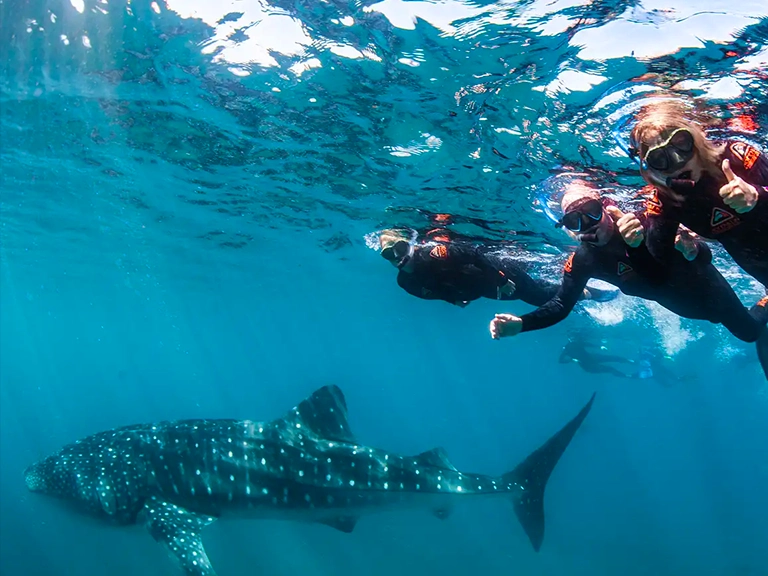
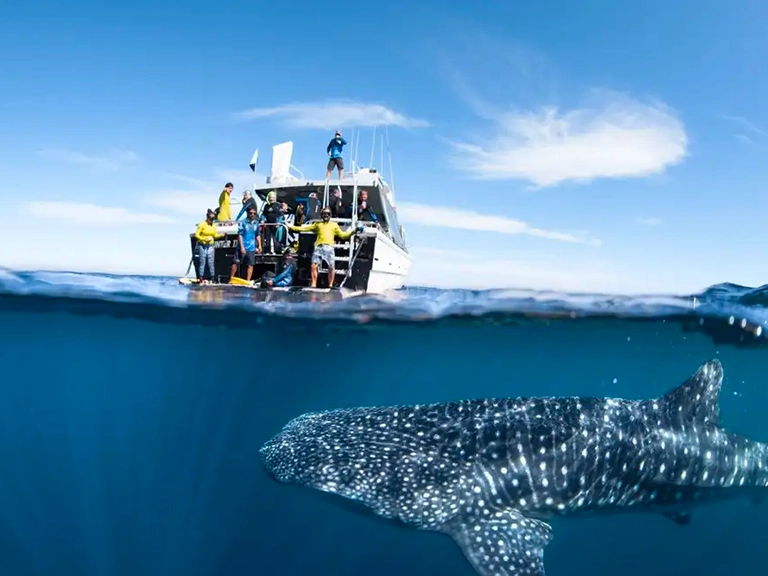
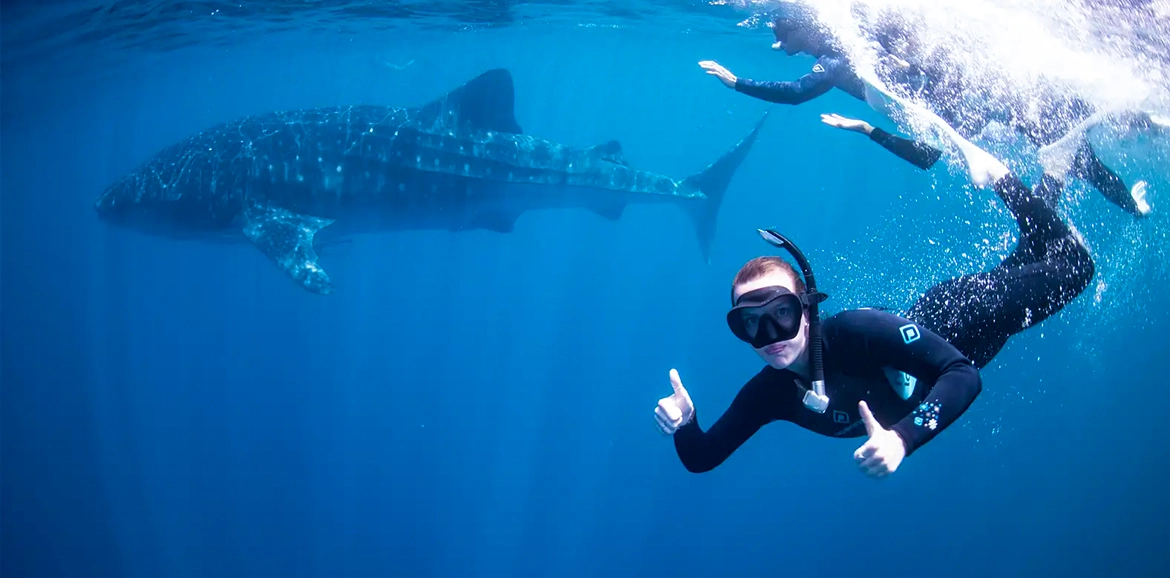
Dive into the experience of a lifetime: swimming alongside the ocean's colossal, yet gentle, whale sharks. Guides, seasoned in the ways of the ocean, ensure a secure and memorable experience.

Book Swim With Whale Sharks Tour

Swim with Whale Sharks (Exmouth)

Swim with Manta Rays (Coral Bay)

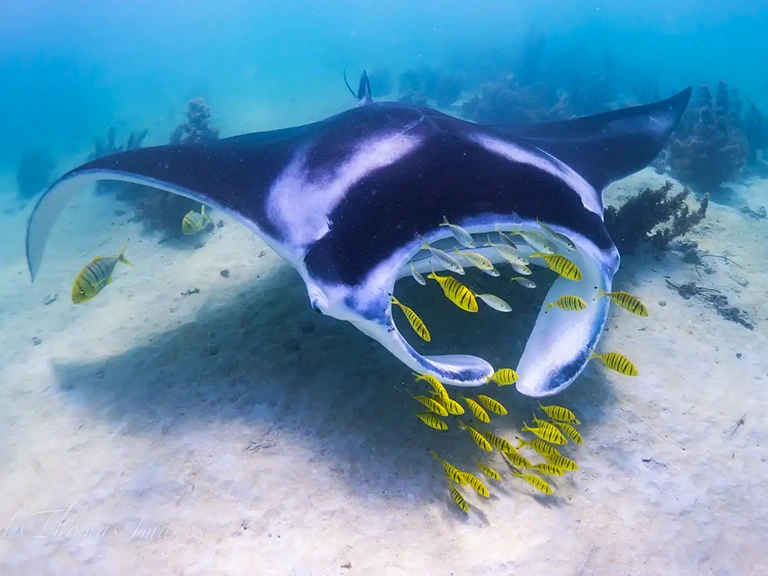
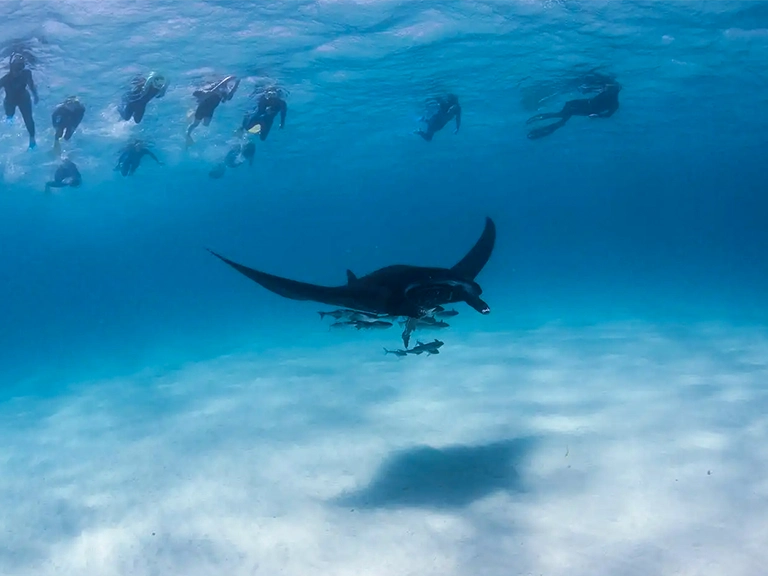
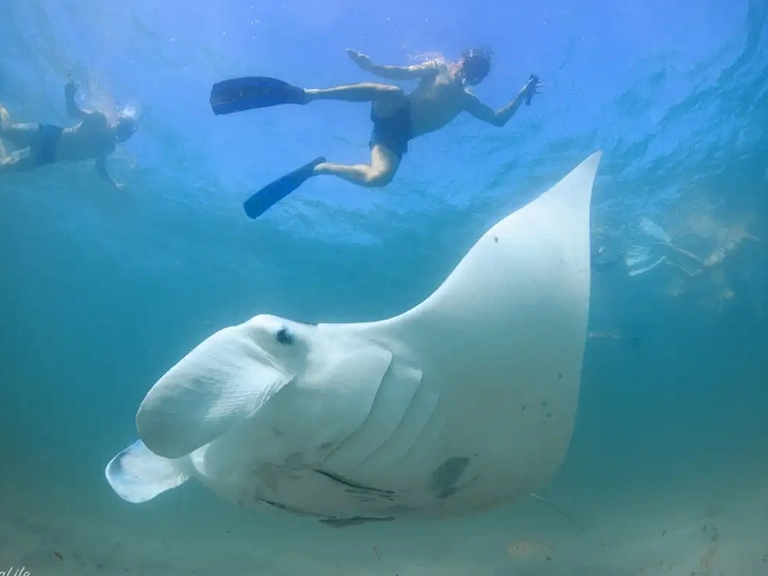
Snorkelling trips offer the chance to observe manta rays in their natural habitat, all while discovering the beauty of thriving coral gardens.

Book swim with Manta Rays Tour


Marine Eco Safaris

These educational experiences offer a glimpse into conservation initiatives and the fragile equilibrium of Ningaloo's ecosystem.
Planning your trip? Booking tours early is a good idea to coincide with the best times to see wildlife.

Explore Marine Eco Safari

Marine Eco Safaris
Marine Eco Safaris

Frequently Asked Questions

  1. What is the best month to visit Ningaloo Reef?
    The best months are between April and October, when dry weather, calm seas, and clear visibility create ideal conditions for marine activities.
  2. Which month is best for whale shark encounters?
    April to July offers the highest chances of swimming with whale sharks near Exmouth.
  3. Is winter a good month to visit Ningaloo Reef?
    Yes. Winter provides comfortable temperatures, sunny days, and opportunities to see migrating humpback whales.
  4. When are crowds lowest at Ningaloo Reef?
    September and October generally see fewer visitors while still offering excellent weather and reef conditions.
  5. Should summer months be avoided?
    Summer can be extremely hot with possible cyclones, making travel less predictable compared to the dry season months.

Final Thoughts

Selecting the ideal month for a Ningaloo Reef visit guarantees you witness its pristine waters, vibrant marine ecosystem, and laid-back coastal vibe at their peak. April through October offers the most reliable and pleasant weather for a visit to Ningaloo Reef.

Whether you are hoping to swim with whale sharks, snorkel vibrant reefs, or witness migrating whales along the coast, careful timing will help you make the most of this extraordinary destination.

Explore unforgettable reef tours, wildlife encounters, and curated travel experiences with Backpacker Deals. Start planning your Ningaloo Reef journey today and discover one of Australia’s most remarkable coastal adventures.

Swim with Whale Sharks in Australia: The Ultimate Guide to an Unforgettable Adventure

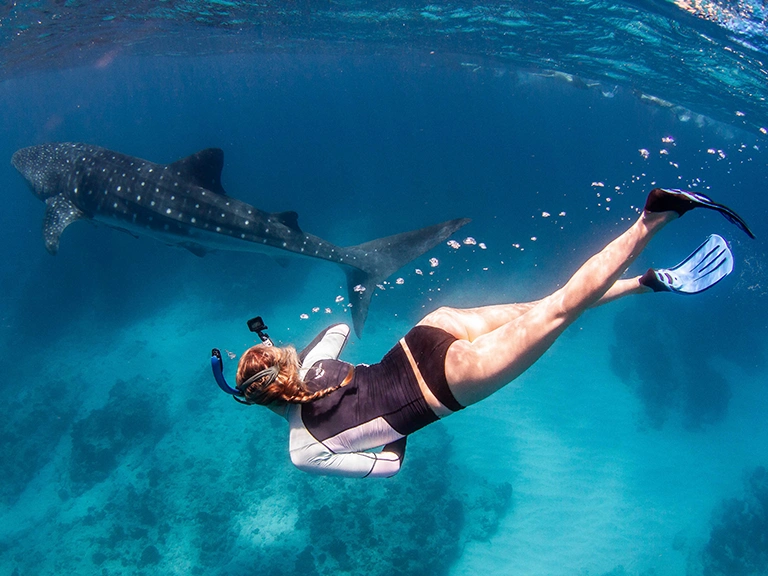
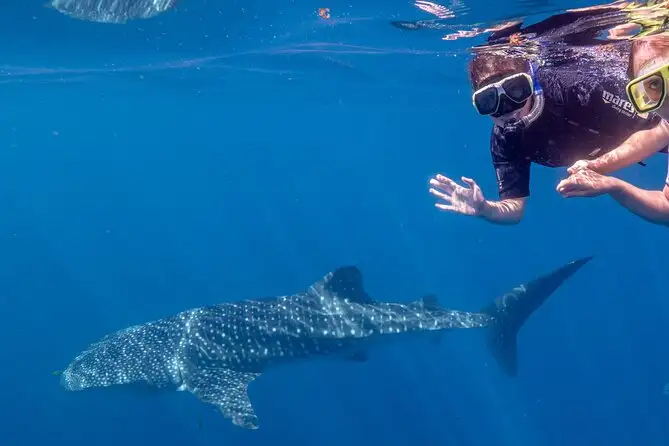
Swimming alongside whale sharks in Australia is an unforgettable adventure, a genuinely unique experience. Imagine yourself surrounded by the deep blue waters, the ocean's biggest inhabitant, a whale shark, gliding gracefully through the water. Despite their massive size, these gentle behemoths are slow and completely harmless, ensuring a safe swim.

It's more than just the excitement of the moment; it's about a serene, respectful bond with the natural world.

Australia offers some of the best whale shark experiences, with clear waters, expert guides, and a strong chance of seeing these amazing creatures.


Why Swim with Whale Sharks in Australia?

Australia is known for offering one of the most reliable and well‑organised whale shark experiences globally. Tours here are strictly regulated, which means both your safety and the protection of marine life are taken seriously.

The experience is further elevated by its management. Many tours employ spotter planes to track down whale sharks, significantly increasing your odds of a sighting . Plus, you'll have several chances to get in the water, rather than just a single, fleeting moment.

It's a blend of excitement, ease, and conscientious travel.

Explore Sunshine Coast Swim with Whales

Whale Shark Snorkelling tours Exmouth

Where to Swim with Whale Sharks

Ningaloo Reef, close to Exmouth, is the prime spot to swim with these gentle giants. The reef's proximity to the sharks is a real advantage, translating to less time spent traveling and simpler access. As a protected marine park, the reef boasts abundant marine life, crystal-clear waters, and a strong likelihood of encountering whale sharks. Consequently, Because of this, most guided tours start here, making it the top and most reliable spot to visit.

Coral Bay is a quieter alternative to Exmouth, offering the same chance to swim with whale sharks but with fewer crowds.

Whale sharks also come to Christmas Island during their migration season, but tours there are few and not as easy to find as the ones at Ningaloo Reef.


Best Time to Swim with Whale Sharks

Whale shark season in Australia runs from March to July.

Peak sightings are between April and June.

Coral spawning at Ningaloo Reef brings plankton, their main food source.

Trips scheduled during the busiest months typically offer the best weather and increase the likelihood of whale shark sightings.

whale shark snorkelling tours
Whale shark snorkelling tours

Whale Shark Tour Options

Several tour options exist, allowing you to select one that aligns with your preferences and financial considerations.

Most tours provide snorkelling equipment, wetsuits, meals, and a professional guide to assist you throughout the excursion. Some tours utilize spotter planes, which expedite the search for whale sharks, thus enhancing your chances of swimming with them.

Book Ningaloo Reef Double Dive Tour

Whale Shark Tours
Whale Shark Tours

What to Expect During the Experience?

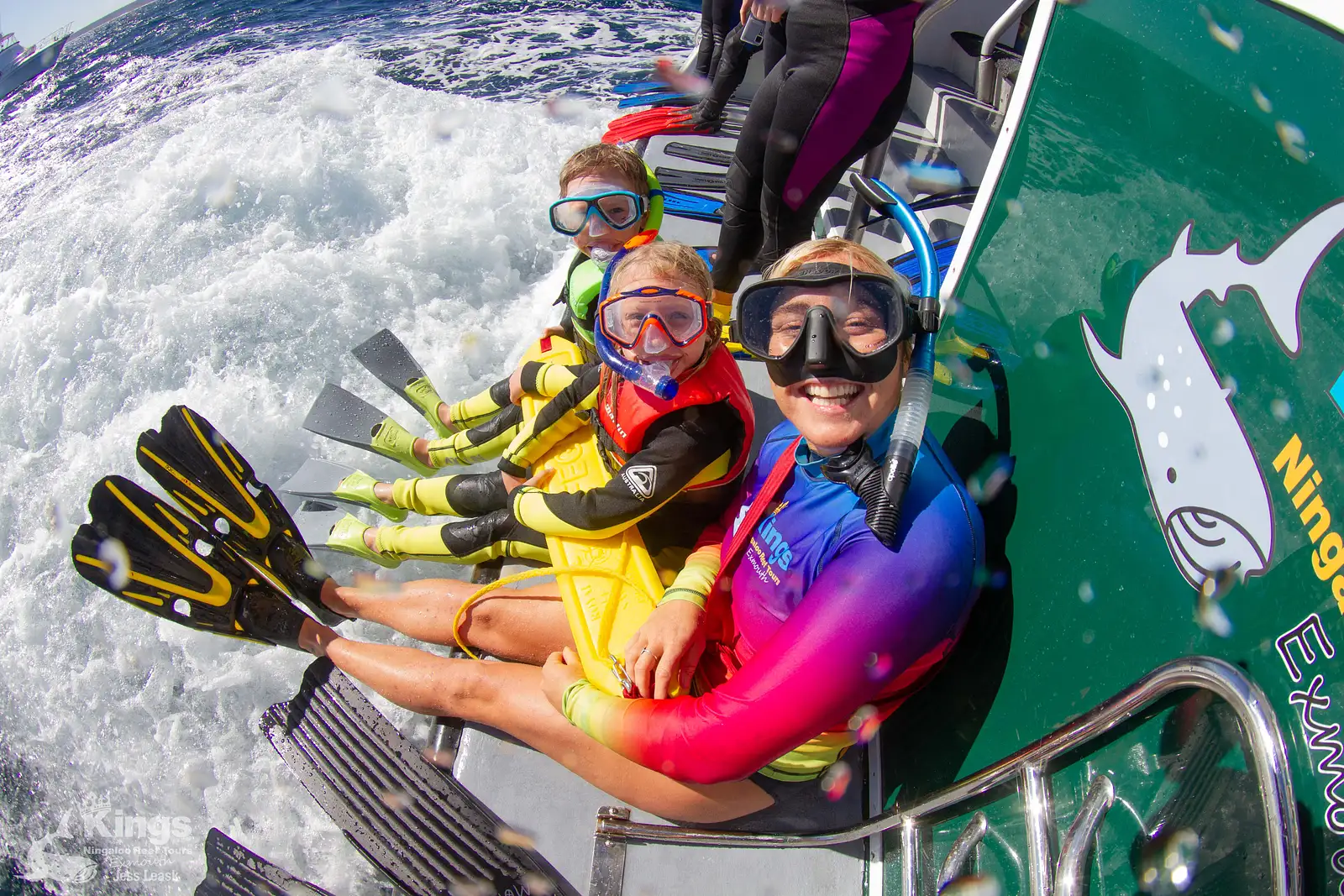
Your day typically starts early in Exmouth with a safety briefing and gear setup.

After heading out to the reef, a spotter plane searches for whale sharks from above. Once a whale shark is located, small groups, accompanied by a guide, slip into the water. You'll swim beside the creature for a brief period before heading back to the boat.

This procedure is repeated several times throughout the day, offering multiple opportunities to share a moment with the whale shark.
The experience is tranquil, without feeling hurried, and surprisingly serene.

Whale Watching
Food Served at Whale Watching Nigaloo Reef

Rules & Safety Guidelines

To keep both visitors and marine life safe, all tours follow clear and simple rules:
Maintain a minimum distance of 3 meters from the whale shark.
Keep at least 4 meters away from the tail.
Do not touch or pursue the animal.
Enter the water slowly and without splashing.
Always follow your guide's directions.

These rules are designed to keep things safe and respectful for everyone involved.


What to Bring

To make your time more enjoyable, pack these essentials:
Swimwear and a towel
Reef-safe sunscreen
A hat and sunglasses
A light jacket for the boat
A waterproof camera (if you want)

Most tour companies supply snorkelling gear and wetsuits, so you don't have to worry about bringing your own.


Cost & Booking Tips

Expect to pay between $200 and $700 AUD per person for a whale shark tour in Australia; prices fluctuate based on the specific tour.

Some tips for booking:

Marine Life You May See

Whale sharks are the main draw, but there’s heaps more to see around Ningaloo Reef — you might come across manta rays, dolphins, turtles, reef sharks, and loads of colourful fish just swimming about, and if you’re there later in the season, you might even get lucky and spot a humpback whale while you’re out there.

Explore Marine life on Ningaloo Reef


Ready to Swim with Whale Sharks?

Swimming with whale sharks in Australia is something you’ll never forget. The tours are well run, and the water is super clear. You’re not just watching them from a boat — you actually get in and swim right next to them.

They’re huge but really calm, which makes it pretty amazing. With Ningaloo Reef all around you, the whole experience just feels unreal and very special.

Ready to Swim with Whale

FAQ

  1. Is it safe to swim with whale sharks in Australia?
    Yes, it is very safe. Whale sharks are gentle and slow-moving. Tours are guided, and strict safety rules are followed at all times.
  2. Do you have to be able to swim to go on a whale shark tour?
    Yes, you need to know how to swim at a basic level. You don't have to be a pro, and the guides are always there to help.
  3. Where in Australia is the best place to swim with whale sharks?
    The best place to go is Ningaloo Reef, which is close to Exmouth.
  4. When is the best time to swim with whale sharks?
    The best time to go is between March and July, and the best time to see them is from April to June.
  5. What are the costs associated with swimming with whale sharks in Australia?
    The price of these tours generally falls between $400 and $600 AUD per person, depending upon the specific nature of the experience.
  6. How long can you swim with a whale shark?
    Each swim lasts a few minutes, but you usually get multiple chances during the day.
  7. Can you touch or get close to whale sharks?
    Touching is strictly prohibited. Kindly keep a safe distance to help protect the animals.
  8. What should I bring for a whale shark tour?
    Bring swimwear, a towel, sunscreen, sunglasses, and a light jacket. Most tours provide snorkelling gear.
  9. What happens if I don't spot a whale shark?
    Some tour operators will give you a free trip or a partial refund if you don't see any whale sharks.
  10. What other marine life could I encounter?
    While you're out on the Ningaloo Reef, you might also see manta rays, dolphins, turtles, reef sharks, and a stunning variety of fish.


Which Great Ocean Road Tour Is Right for You - Guided vs. Self-Drive

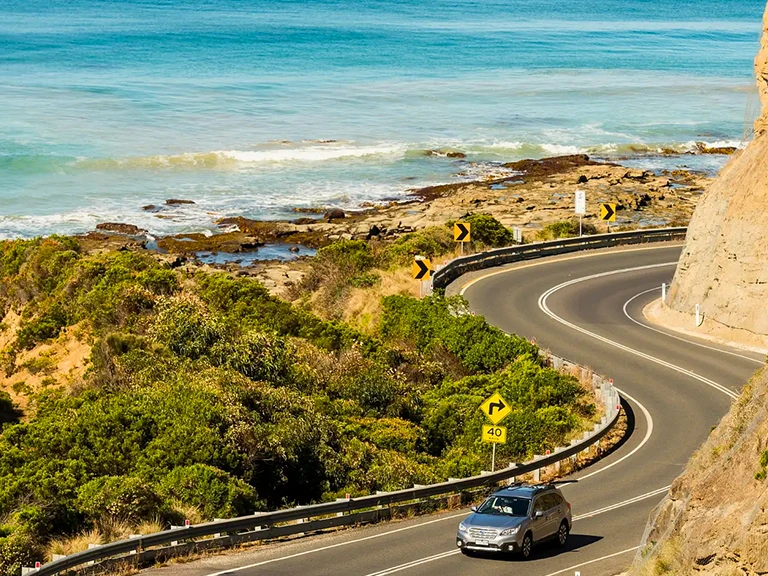
Stretching from Torquay to Allansford, the Great Ocean Road is more than just a drive. It is a beautiful coastal journey with amazing ocean views, big cliffs, clean beaches, and famous spots like the Twelve Apostles.

The journey takes you through charming seaside towns such as Apollo Bay and Lorne, where you can immerse yourself in local culture and unwind by the water. This trip combines natural wonders, historical sites, and local flavor, making it a top recommendation for anyone visiting Victoria.

A crucial choice when planning your adventure is whether to opt for a guided tour or to explore independently.

 Each choice presents its own set of advantages and disadvantages, contingent on how you prefer to travel.

 Book 3 Day Great Ocean Road Adventure


Guided Tour

Opting for a guided tour means relinquishing the stress of driving and navigating unknown routes; everything is meticulously arranged. You can simply unwind and absorb the experience, as a knowledgeable guide provides intriguing insights and narratives about the landmarks along the Great Ocean Road.

The experience is designed for comfort and ease, eliminating the need for planning or grappling with practicalities. Tours are structured to efficiently encompass all the key attractions, guaranteeing you won't overlook any significant points of interest while maximizing your time.

Ideal for:

Guided tours are perfect for first-time visitors who want to experience the Great Ocean Road without any stress or confusion. They are also ideal for people who prefer a relaxed trip and don’t want to worry about organizing the details.
For those short on time, a swift and effective way to see the key sights is a real advantage. And if you're not keen on driving, you can still experience the entire trip in comfort.

Guided Tour
Guided Tour

Self-Drive Option

Opting for a self-drive adventure means you have total control over your itinerary, with no rigid timetable to adhere to. You can pull over whenever the spirit moves you, whether it's to snap a picture, drink in the scenery, or just stretch your legs, making the trip feel more like your own.

Setting your own tempo allows you to linger at the sights that captivate you, free from the pressure of a timetable.

And, of course, driving yourself gives you the freedom to stumble upon those off-the-beaten-path gems that group tours frequently miss, adding a dash of excitement to your journey.

Ideal for :

Self-drive trips are tailor-made for adventure enthusiasts—perfect for those who prefer to chart their own course. Furthermore, they serve as an excellent option for families or groups seeking a more flexible and personalized travel experience.

Road trip aficionados will appreciate the freedom to wander and explore off the main roads. Travellers who like flexibility can plan their own trip and travel the way they prefer.

Self-Drive Option
Self-Drive Option

Comparisons: Pros and Cons of Each Option

Guided Tours:

Pros: Travel is easy, you get expert insight, and you can meet people.
• Cons: Less freedom, a set itinerary.

Self-Drive Tours:

• Pros: You set your own schedule, you can go at your own speed, and it's an adventure.
• Cons: You'll have to do some planning, and getting around can be a bit tricky.

Practical Tips: What to Bring, Timing, and Logistics

What You'll Need

Having the right stuff can really make your Great Ocean Road trip more enjoyable. The weather can change quickly, so it’s best to be prepared.

Self-Drive Tours
Self-Drive Tours

Timing

Timing is everything when it comes to the Great Ocean Road. Careful planning of your stops and travel hours will help you savor the experience, rather than feeling like you're on a clock.

Best enjoyed over one to three days, this trip gives you enough time to slow down and enjoy the views. While you can see the main highlights in a single day, staying a bit longer helps you truly take in the landscape, the charming coastal towns, and the walking trails.

Fewer people getting to popular spots early in the morning or around sunset usually means fewer tourists and better lighting for your photos.

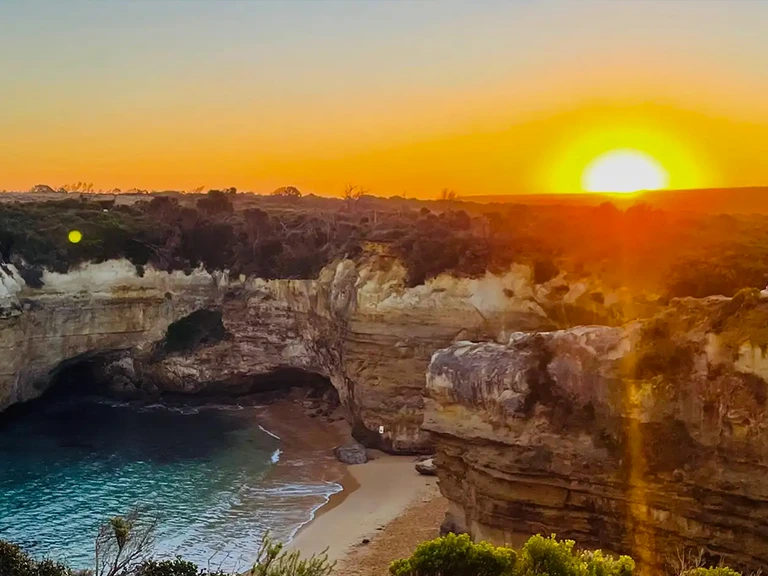
Don't forget to visit the main attractions like the Twelve Apostles trip.  Loch Ard Gorge and 'Cape Otway Lighthouse'—these are all must-see destinations, ranking among the most memorable sights along the route.

Book Skydive 12 Apostles - Great Ocean Road

Guided tours vs self-drive tours

Conclusion: Both Are Great Options

Guided tours are a good choice if you want everything planned and a smooth, easy experience. Along with self-drive tours, on the other hand, are better for those who like freedom and want to explore at their own pace.

But in the end, the best option depends on your travel style, comfort level, and how you want to experience the journey.

Plan your trip easily with Backpacker Deals and book the right experiences in one place.

Planning a Margaret River Surfing Trip: What You Need to Know

If you’re searching for great waves and stunning coastal views Margaret River surfing should be on your travel list. Located in Western Australia’s South West, it offers powerful swells, rugged coastline and an authentic Australian surfing culture without the bigger beach crowds.

Whether you’re an experienced surfer or a beginner, keen to get in the water, a little planning can help you make the most of your trip.


Why Margaret River is Famous for Surfing

Margaret River is widely known as one of Australia’s top surf destinations. Facing straight towards the Indian Ocean, the coastline hosts swell around the year, delivering quality waves that attract everyone from local legends to international pros.

Margaret River Wine Adventure


Margaret River Surfing Spots


Surfers Point (Prevelly)

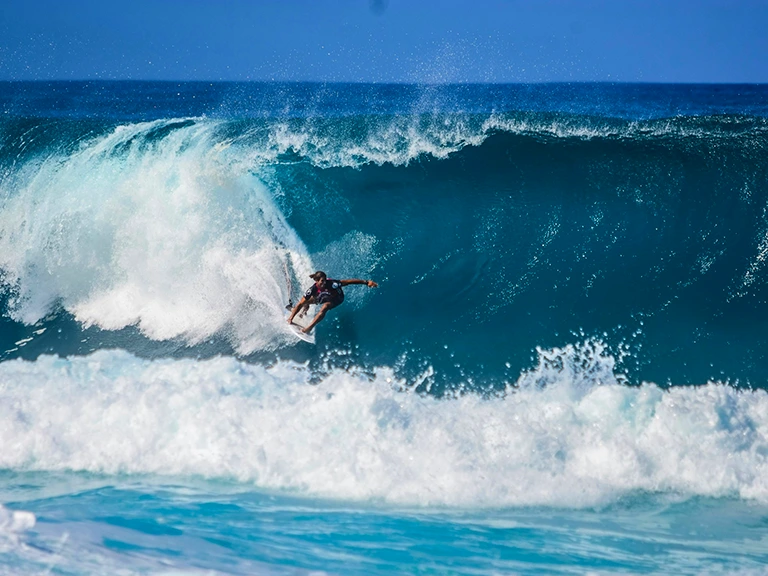
One of the most well-known surfing locations in the region, famous for its consistent and powerful waves along with excellent viewing spots for spectators. It’s one of Australia’s most recognised surf breaks and regularly hosts major competitions.

Surfers Point (Prevelly)

The Box

A heavy, hollow, and intense barrel suited only for advanced surfers. This wave is fast, technical, and delivers serious power when conditions line up.

The Box
The Box

Southside / Main Break

A high performance big-wave venue and home to events like the Margaret River Pro. It’s a popular spot for experienced surfers mainly due to its strong swell energy.

Southside
Southside

Beginner Spots

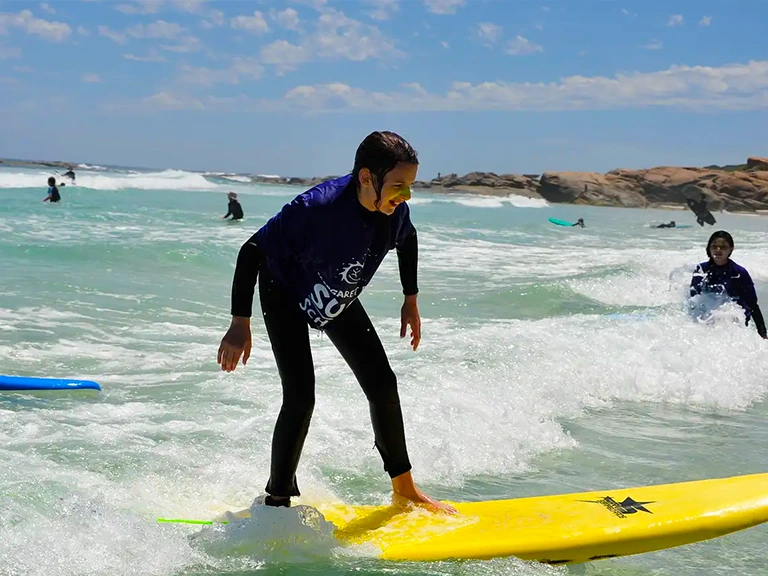
Local surf schools prefer sheltered locations like Redgate Beach due to their mild waves, making them ideal for beginners.

Beginner Spots
Beginner Spots


Best Time to Surf Margaret River


September to April (Ideal Surf Window)

While Margaret River offers surf year-round, this period offers dependable spring swells combined with ideal summer weather. Expect cleaner conditions, comfortable temperatures, and great opportunities for both beginners and experienced surfers.

Water temperature usually sits between 17°C and 22°C, so you’ll want a wettie no matter what season you are coming in.

Surf Lessons and Board Hire

There’s a wave here for everyone, from gentle shore breaks perfect for beginners to clean barrels where local legends Taj Burrows and Jake Patterson honed their styles. It’s fine if you’re travelling without gear, you can easily hire a board or let one of the locals show you the ropes with a guided lesson.

Local surf schools around Prevelly offer lessons, board hire, and guided sessions, helping surfers understand conditions and stay safe in the water.

Book Surf Lessons - Margaret River

Beyond Surfing: Things to Do After the Waves

The wider Margaret River Region isn’t just about surfing. You’ll find wineries, bushland, caves, and unreal beaches, making it easy to mix surf sessions with proper holiday downtime.

Things to Do After the Waves

Book Full Day (Wine, local produce & Nature Tour)

Book Margaret River Wine Adventure


FAQs About Margaret River Surfing

Is Margaret River favourable for beginners?
Yes, especially during September & April conditions are s. Spots like Redgate Beach are better suited for beginners.
Do I need a wetsuit in Margaret River?
Absolutely. Even on warm days the water’s cool, so a 3/2 mm wettie is the go year-round.
When does Margaret River get the biggest waves?
Large swells can arrive throughout the year, particularly during stronger Southern Ocean systems that light up breaks like Surfers Point and Main Break.
Are surf lessons available?
Yes, plenty of local operators run beginner lessons, gear hire, and guided surf sessions around the main beaches.
Is surfing in Margaret River safe?
It can be very safe if you pick waves suited to your ability. Some reef breaks are heavy, so beginners should stick with lessons or calmer beaches.
How long should I stay for a surf trip?
Around 3 to 5 days is ideal. That gives you enough time to score a few good sessions and explore the wider Margaret River Region.
Can I hire surfboards locally?
Yep. Boards, wetties, and accessories are easy to hire from surf shops and schools throughout the area, so you can travel light and still get amongst the waves.

West Coast Australia Tours That Will Take Your Breath Away

The West Coast of Western Australia is one of those places that really showcases how authentic and beautiful this part of the country is. You’ve got bright blue water meeting rough, red outback, and long, clean beaches that feel almost empty. It’s open, raw, and honestly pretty special.

From colourful coral reefs to some of the oldest national parks in Australia, the views out here are next level. Every stop feels different, but just as impressive.

West Coast Australia tours are perfect if you love a bit of adventure and want to see wildlife up close. One day you might be snorkelling in clear water, the next you’re hiking through deep gorges or cruising along a long coastal highway with nothing but ocean beside you. It never feels boring. Each day brings something new, and by the end of it, you’ve seen a side of Australia that most people don’t forget.


Top West Coast Australia Tours You Can’t miss


Snorkelling at Ningaloo Reef

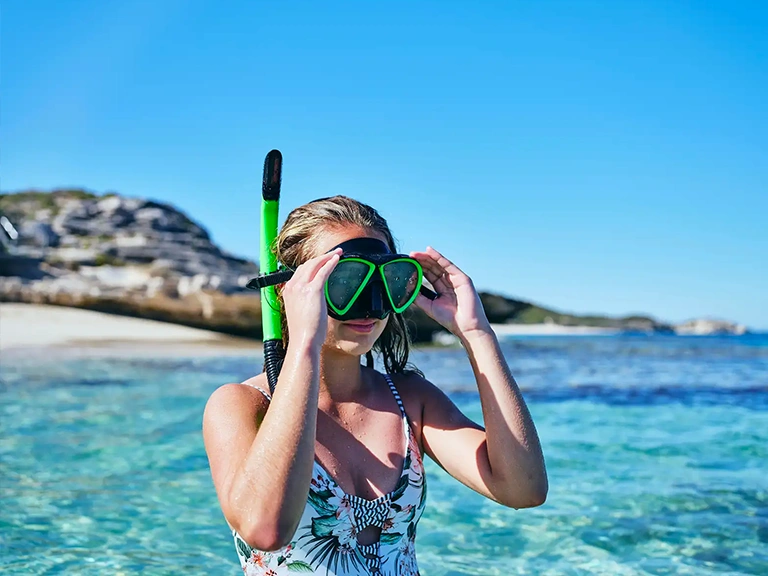
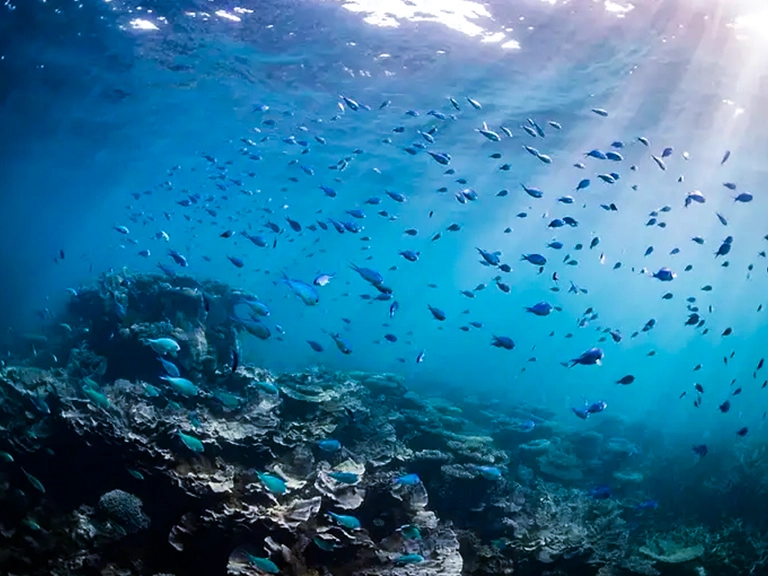
Ningaloo Reef is one of the world’s most accessible coral reefs, located just offshore. The clear waters are home to vibrant coral gardens, tropical fish, manta rays, and seasonal whale sharks. Snorkelling here offers a close-up marine experience without needing to travel far from the beach.

Snorkelling at Ningaloo Reef

Book Snorkelling tour at Ningaloo Reef


Monkey Mia’s Famous Dolphin Experience

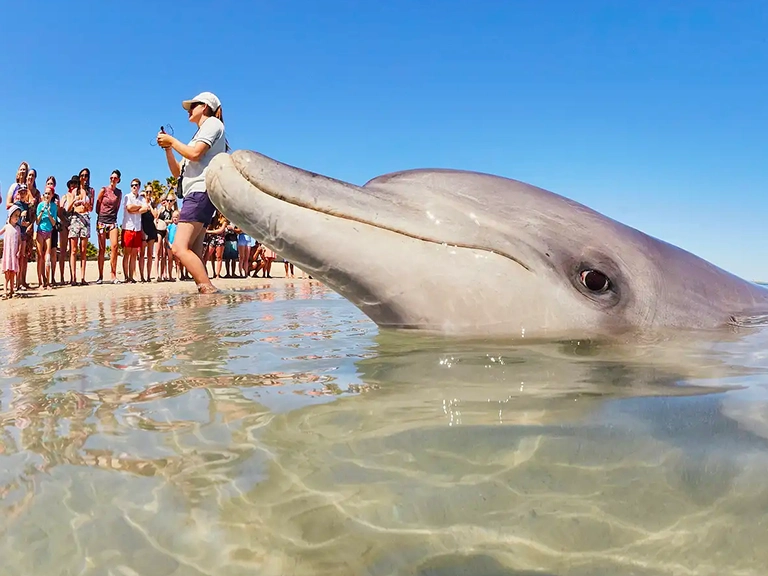
Monkey Mia is well known for its wild dolphins that swim right up to the shore. They come in close most days, and you can stand in the shallow water and watch them from just a few metres away. It’s a pretty special thing to see. The beach itself is calm and quiet, which makes it a great spot to just slow down and relax. If you’re into photography, you’ll love it here. Between the clear water, soft sand, and dolphins cruising past, it’s an easy place to spend a few peaceful hours.

Monkey Mia’s Famous Dolphin Experience

Explore Monkey Mia Dolphin Tour


Explore Coral Bay

Coral Bay offers a laid-back atmosphere and easy access to reef snorkelling straight from the shore. The calm waters and soft sand make it ideal for families and travellers wanting a relaxed coastal experience surrounded by natural beauty.

Explore Coral Bay
Explore Coral Bay

Visit Kalbarri National Park

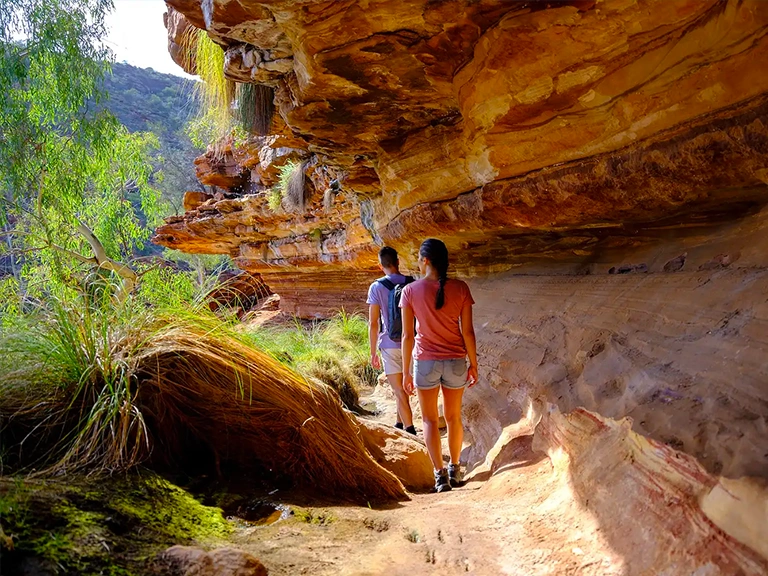
Kalbarri National Park brings together high coastal cliffs and deep river gorges in one stunning spot. You can walk to scenic lookouts, check out unique rock formations, and take in wide views over the Indian Ocean. It’s an easy place to explore, with a nice mix of adventure and amazing scenery.


Pinnacles Desert (Nambung National Park)

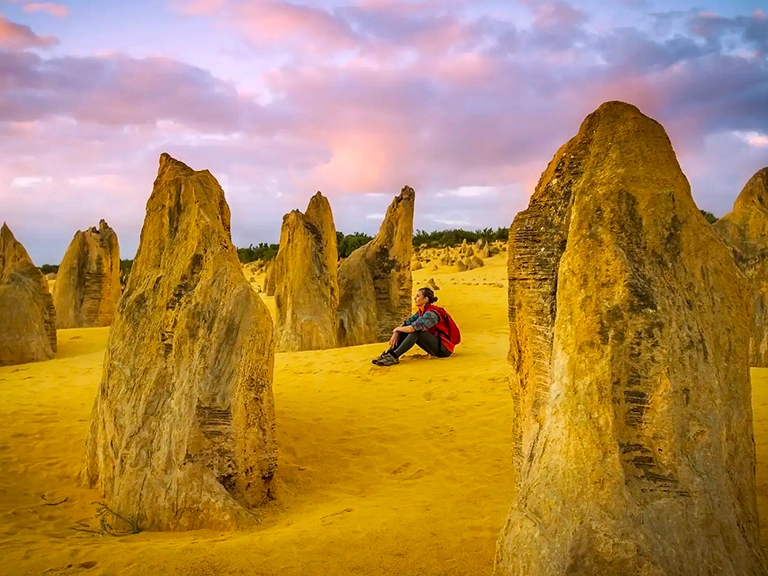
Pinnacles Desert has thousands of limestone pillars standing tall in the golden sand. As you walk through, it feels different and a bit unreal. It’s even better at sunrise or sunset, when the light changes and the desert colours really stand out.

Pinnacles Desert (Nambung National Park)

Book Pinnacles Desert Sunset Stargazing Tour


Gorge Hiking at Karijini National Park

Karijini National Park is famous for its deep red gorges, clear waterfalls, and natural rock pools. Hiking through the gorges can be a bit challenging, but it’s worth it. You get amazing views, cool spots for a swim, and a close look at some really old rock formations.


Wildlife Nature Tours Across the Coast

Wildlife tours along the West Coast provide opportunities to see kangaroos, emus, dolphins, manta rays, and migrating whales. Guided experiences increase your chances of spotting animals in their natural habitat while learning about conservation efforts.

Wildlife Nature Tours Across the Coast

Road Trips & Multi-Day Touring

West Coast Australia Tours is truly made for road trips. Long, open highways take you past quiet beach towns, national parks, and lookout spots with big ocean views. It’s the kind of drive where you just roll the windows down and enjoy it. If you go on a tour, it’s all organised for you. It’s safer for remote areas, less stress, and you still get to see all the best spots in comfort.

Road Trips & Multi-Day Touring

Unbeatable Deals on Campervan Rentals


Explore Shell Beach

Shell Beach is one of the only beaches in the world made completely of tiny white shells. The bright white shore looks amazing against the clear blue water. It’s quiet, simple, and such a peaceful place to stop and take it all in.


Visit Stromatolites at Hamelin Pool (Shark Bay)

Hamelin Pool is famous for its ancient stromatolites, some of the oldest living things on Earth. They’ve been here for millions of years. You can see them from the walkway without getting wet. The water is calm, the area is quiet, and it’s a peaceful stop while exploring Shark Bay.


Rottnest Island Wildlife & Activities

Rottnest Island is best known for its cute quokkas and bright, clear water. You can explore the island by bike, stop at small hidden beaches for a swim, and enjoy the easy, laid-back island feel not far from Perth.

Rottnest Island Wildlife & Activities

Beaches & Coastal Relaxation

The West Coast Australia tours has plenty of quiet beaches where you can swim and take a sunset stroll. With big open skies and lots of space around you, it’s easy to switch off and enjoy the outdoors.

Beaches & Coastal Relaxation

Conclusion

West Coast Australia tours bring together amazing sea life, big rugged landscapes, and that classic open-road feeling you only get out here. From snorkelling vibrant reefs to hiking ancient gorges and relaxing on untouched beaches, every stop delivers something unique. For travellers seeking raw beauty and meaningful exploration, the West Coast truly takes your breath away.


FAQ

1. What is the best time to visit the West Coast of Australia?
March to October is usually the best time. especially  in the north around Ningaloo and Karijini, when the weather feels nicer, but it depends on the area too.

2. How many days are needed for a West Coast Australia tour?
Most people pick 5 to 10 days to see the main highlights properly. If you’re short on time, there are also 3 to 4 day tours that still cover some great spots.

3. Can I swim with whale sharks on the West Coast?
You can join special trips to swim alongside whale sharks around Ningaloo during their season, which usually runs from autumn into mid-winter.

4. Are West Coast tours suitable for beginners and families?
West Coast tours are suitable for a wide range of people. Activities are usually a mix of light exploring, time by the water, and relaxed nature experiences, so beginners and families can comfortably take.

5. Do I need to be physically fit for these tours?
Basic fitness is good, but a little stamina is helpful for longer walks or gorge treks. Most tours offer easier options, so you can choose what feels right for you.

Eco-Friendly Coral Bay Tours: Protecting Paradise

Coral Bay is a beautiful coastal destination where nature and adventure come together in a beautiful way. Known for its clear turquoise waters and relaxed atmosphere, this small seaside town offers visitors a chance to experience the ocean while helping to protect it. Located beside the stunning Ningaloo Reef, Coral Bay is one of the few places in the world where vibrant marine life can be explored just steps from the beach.

Eco-friendly Coral Bay tours are designed to give travellers unforgettable experiences while caring for the environment. From snorkelling with marine life to peaceful ocean cruises, these tours focus on sustainability, education, and conservation, ensuring that this natural paradise remains safe and beautiful for future generations.


Why Choose Eco-Friendly Coral Bay Tours?

These tours are carefully planned with nature's protection in mind, offering travellers unforgettable adventures. You’ll enjoy guided snorkelling with experienced marine guides who share interesting information about the reef and its delicate ecosystem.

Tour operators focus on protecting marine ecosystems, allowing respectful wildlife encounters, and keeping group sizes small for a better and safer experience. Visitors also learn from marine experts and support local conservation efforts through these tours.


Best Eco-Friendly Coral Bay Tours

Manta Ray & Ningaloo Reef Swim Tour

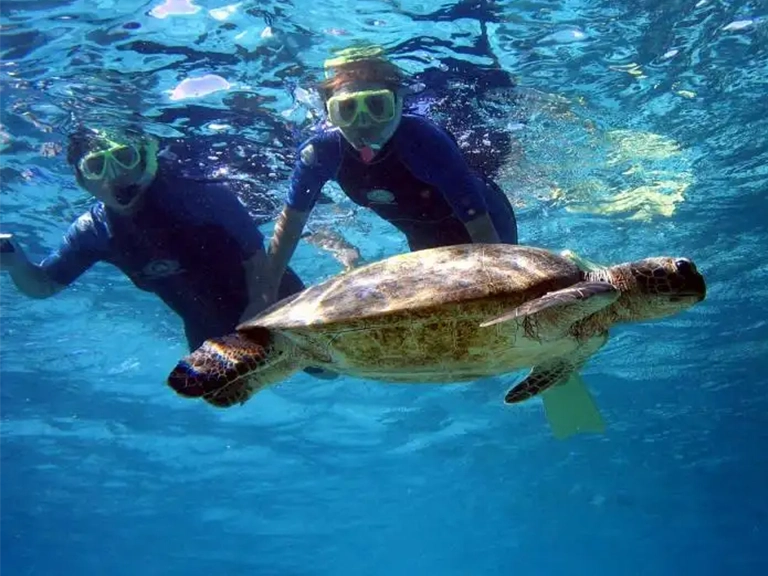
Coral Bay offers a major highlight where tourists can snorkel near beautiful manta rays in their natural environment and discover colourful coral reefs. The tour includes guided snorkelling trips where expert guides lead you along the reef and describe the underwater creatures and coral formations.

Many tours are operated by eco-approved organizers who prioritize sustainable practices, offering both adventure and environmental awareness in a responsible way.

Manta Ray & Ningaloo Reef Swim Tour

Swim with Manta Rays

Manta Ray Marine Safari

The marine safari offers a complete ocean adventure for discovering marine wildlife while promoting environmentally friendly tourism. During the tour, expert guides share valuable facts about reef conservation and help guests safely observe different marine species in their natural habitat.

Experience wildlife and snorkelling while learning how to protect the ocean.

Manta Ray Marine Safari

Book Marine Eco Safari with Manta Rays

Ningaloo Turtle Encounter (Glass Bottom Boat)

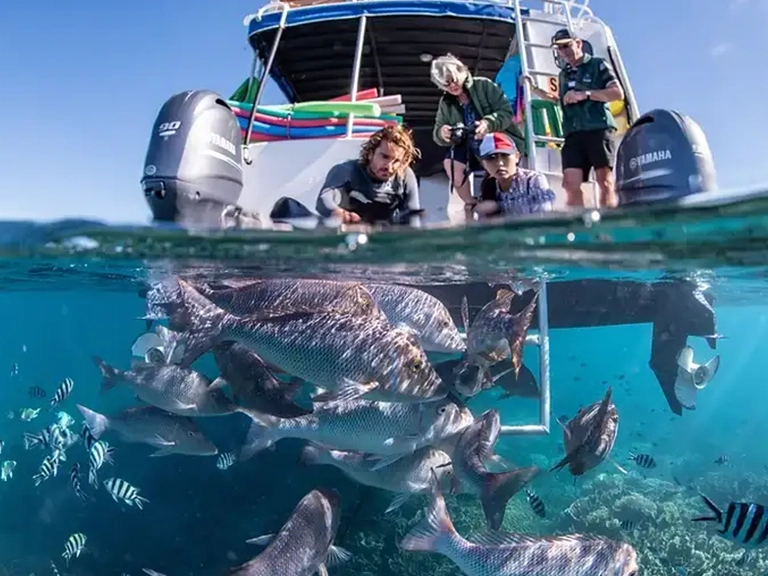
Perfect for families and non-swimmers, this easy tour lets you safely see turtles and marine life from a glass-bottom boat without getting into the water.

Eco-friendly fun for all ages beneath Coral Bay’s waters.

Ningaloo Turtle Encounter (Glass Bottom Boat)

Book Ningaloo Reef Turtle Encounter With Glass Bottom Boat

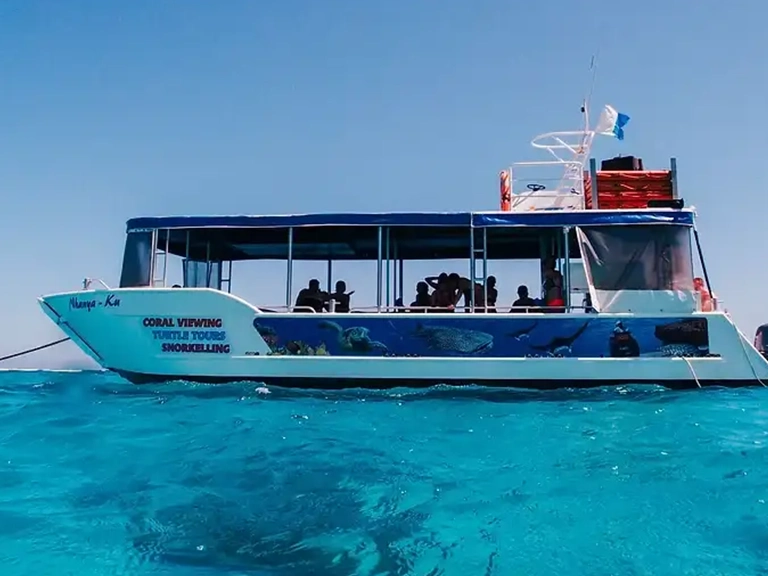
Coral Bay Glass Bottom Boat Tour

This relaxing tour lets you explore Coral Bay’s colourful marine life without getting wet. For beginners, it’s an eco-friendly choice that gives clear views of the ocean and supports responsible travel.

Coral Bay Glass Bottom Boat Tour

Book Coral Bay Glass Bottom Boat Tour

Coral Bay Snorkel Coral View Tour

This guided snorkelling tour lets you safely explore Ningaloo Reef and its marine life. After a brief safety talk, beginners can enjoy the shallow reef while following eco-friendly practices and spotting colourful corals and tropical fish from a safe distance.

Coral Bay Snorkel Coral View Tour

Book Coral Bay Snorkel & Coral View Tour

Swim with Whales Experience

Available during the migration season, this tour gives you a rare chance to swim near whales while following strict rules to protect marine life. The tour runs in small batches with expert guides and focuses on safe and responsible wildlife interaction.

Operators maintain a safe distance to ensure visitor safety and respectful whale encounters.

Swim with Whales Experience

Swim With Whale Sharks

Sunset Snorkel Trek by ATV

This unusual eco-adventure combines a ride across the land with a dive into the ocean.

Guests ride ATVs to quiet, hidden beaches, where they can enjoy snorkelling at sunset. Explore peaceful reef areas away from the crowds. Experts will guide you to learn about the local environment.

Sunset Snorkel Trek by ATV

Explore Coral Bay with Quad Bike

It's an adventure built with responsibility in mind, focusing on eco-friendly exploration to keep the environmental footprint small while ensuring a memorable time by the coast.


Additional Eco-Friendly Activities in Coral Bay

Reef Ecology Guided Walks

Explore coral formations, marine life, and conservation efforts with marine experts along the shore.

Kayak and Snorkel Eco Tours

Paddle over the reef instead of using motorboats, reducing impact while enjoying peaceful ocean views.

Whale Shark Eco Tours (Seasonal)

A highlight of Ningaloo Reef, these tours follow strict rules to protect whale sharks.

Marine Conservation Volunteer Experiences

Some operators allow visitors to participate in reef monitoring and citizen science programs.


How Coral Bay Tours Help Protect the Reef

Eco-tour companies use significant practices to protect the ocean, such as keeping group sizes small, following safety guidelines, avoiding sensitive coral areas, and explaining tourists about marine conservation.

Many operators also conduct local research projects to ensure tourism helps keep the environment safe and healthy. These efforts help preserve the wildlife of Ningaloo Reef, so future generations can experience its beauty.


Tips for Responsible Reef Tourism

Visitors can also contribute to protect Coral Bay by:

Small actions make a big difference in reef conservation.


Conclusion

Coral Bay Eco tours offer not only good time and excitement but also they give visitors a chance to explore one of Australia’s most beautiful underwater destinations while helping to protect it at the same time.

From swimming with manta rays and turtles to enjoying relaxing glass bottom boat rides and peaceful sunset snorkelling trips, every experience is enjoyable and supports responsible travel.

With Backpacker Deals, travellers can choose tours that care for the environment and support local communities. By choosing eco-friendly options, visitors help protect Coral Bay and the stunning Ningaloo Reef, keeping them healthy and beautiful for future generations.